
Secure & encrypted platform · 18+ only · Play responsibly

FairPlay Casino: Live casino table with a dealer

Three boxes, one receipt

FairPlay Baccarat Tables in India

Sixty hands at ₹100, every one of them on banker, on a wet Tuesday in Davangere. The night ended ₹60 in front. FairPlay had taken ₹140 in commission getting there, and the gap between those two figures is this entire game.

Banker edge
1.06%
Commission
5%
Needed
2.69%
Min bet
₹100

The Only Three Choices

Everything you can back, and what each one takes

Two of the three boxes are priced within a fifth of a percent of one another. The third is priced like a raffle ticket, and it is the one the table is decorated to sell.

Eight-deck baccarat — win frequency, payout and house edge on each bet
BetWinsPaysHouse edgeVerdict
Banker45.86%1 : 1 less 5%1.06%Cheapest box on the felt, hand after hand
Player44.62%1 : 11.24%Dearer, but nothing is deducted from a win
Tie9.52%8 : 114.36%Priced like a raffle ticket, sold like one too

Sit on banker and leave it there. The 1.06% already has the commission counted into it, so the visible charge is not a reason to move across; the player box takes 1.24% and never shows you a bill for it. Nothing in the shoe rewards you for switching after a run, either — the price is identical on the first hand of the evening and the sixtieth. The tie's 14.36% is set beside every other game on the casino page.

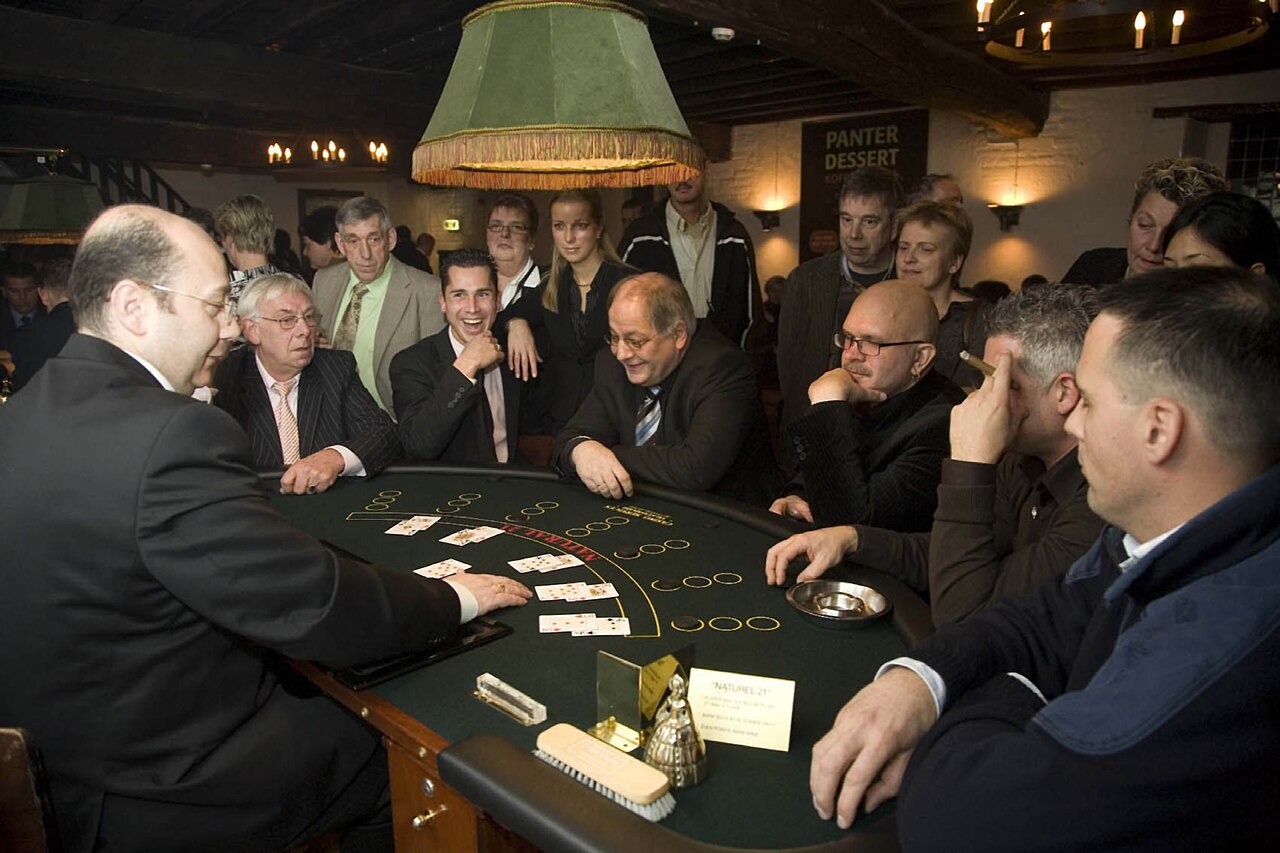
FairPlay Baccarat Card Squeeze: Dealer turning the final card slowly on a live baccarat table
A minute of held breath over a card whose value was settled the moment the shoe was cut. Good theatre, and free.

The Receipt

What the 5% actually took that night

A percentage stays abstract until you write it out in rupees. Here is one ordinary session, itemised, and the part of the bill nobody prints.

Twenty-eight banker hands came home out of sixty. At ₹100 a hand that is ₹2,800 collected, and 5% of it — ₹5 a win, ₹140 by the end — went straight back across the table. Twenty-six losing hands took ₹2,600. Six ties returned the stake untouched, which is how a tie treats anyone not betting on it. Balance for the evening: ₹60.

Run the same sixty hands with nothing deducted and the night finishes ₹200 up. So the charge swallowed seventy per cent of the profit, which is exactly why the banker box feels like the punished one, and exactly why so many people slide across to player and pay more for the privilege.

The reason a cut exists at all is the win rate. Banker takes 45.86% of hands to the player side's 44.62%. Backed with nothing coming off it, that bet would be worth roughly 1.24% to you, and no casino in the world is going to put a positive proposition on the floor and leave it there.

Now the number that never makes it onto the felt. The commission needed to cancel that advantage precisely is 2.69% — the advantage divided by how often the bet lands. On that Tuesday, 2.69% of ₹2,800 comes to about ₹75. That ₹75 is the honest portion of the bill, the part doing the job the charge exists to do. The remaining ₹65 is not covering anything.

And ₹65 is very nearly what the published price says the session should have cost: 1.06% of the ₹6,000 that went through the table is ₹63.60. The overshoot in the commission and the house edge on the bet are the same money, written down twice in different units.

What makes this worth spelling out is how rare it is to be able to. A roulette wheel hides its margin in the gap between 37 pockets and a 35 to 1 payout. A slot buries it in the reels. Baccarat itemises the whole thing and hands you the receipt hand by hand, and if you keep the tally you can add up a year of it to the rupee.

The Kinder-Looking Table

The version that charges nothing charges more

Dropping the deduction sounds like dropping a cost. Read what quietly replaces it and the arithmetic goes the other way.

Standard versus commission-free baccarat, house edge on the banker bet
VersionThe ruleHouse edge
Standard tableA winning banker bet pays even money and 5% comes off it1.06%
Commission-free tableNothing is deducted, but a banker win on a total of six pays 1:21.46%

Six is the total that bites. A banker win on six pays 1:2, so ₹100 returns ₹50 instead of ₹100, and because it lands on one specific number the rule slides past most people reading the felt. Priced out, it moves the game from 1.06% to roughly 1.46% — about ₹24 more gone across the same sixty hands and the same ₹6,000 of turnover, spent entirely on not having to watch a deduction. Given the choice of both, take the table that bills you.

One evening at ₹100 a hand

The rain arrived over Davangere around seven and settled in for the night. Late October does this to the town — eleven months the colour of a cotton bale, chimneys of the old mills standing over it, and then a week of water running down every gutter in P.J. Extension. The benne dosa I had carried back from the corner hotel went cold on its plate while I stood at the window watching a scooter feel its way along Hadadi Road. There was a T20 on the television with the sound turned off. The cable had already dropped twice, so I opened the live tables on my phone instead and picked a seat at ₹100.

The ledger from that Tuesday

Sixty hands, flat stakes, banker every single time. Twenty-eight of them won, twenty-six lost, six came back tied. That is close enough to the long-run shape of the game to be unremarkable, which is what makes it useful: an ordinary session rather than a story. ₹2,800 in, ₹140 of it back across the table as commission, ₹2,600 out, and ₹60 left on the pile at the end.

Judged against the maths, ₹60 up was a good night. The price of the game says ₹6,000 through a table at 1.06% ought to cost about ₹64, so the evening ran roughly ₹124 better than average — which in baccarat terms is nothing more dramatic than two extra hands falling the right way.

My cousin was on the sofa with the match and a very firm view that the ties were due. He backed the tie box for the same sixty hands at the same ₹100. Six of them landed, at 8 to 1, so he collected ₹4,800 and lost ₹5,400 on the fifty-four that did not. Six ties in sixty hands is running slightly warm — the average outcome on ₹6,000 through a 14.36% bet is closer to ₹860 gone — so he beat the maths by more than two hundred rupees and still walked away ₹600 lighter. That is what that price does even when the cards are being kind.

Nothing left to decide once the chips are down

Every other table game in the lobby asks you something. This one asks once, at the start, and then gets on with it. A printed drawing rule settles whether a third card comes out, and it settles it the same way for the dealer as for you, so the hand plays itself from the moment the bets close.

That puts it at the far end of the shelf from blackjack, which hands you real decisions and prices itself assuming you will handle them competently — get them wrong and you are paying well over the advertised rate. Baccarat sells a flat fee and asks nothing in return. Against roulette at 2.70% the 1.06% here is a genuinely good price for a game you cannot misplay, and on the rainy evenings that is most of the appeal.
FairPlay Baccarat Roadmaps: Baccarat scoreboard showing grids of red and blue result markers
Four grids, kept to the hand, summarising a sequence in which every entry was decided independently of the one before it.

Four grids that remember nothing

No other game in the building keeps books like this. The big road stacks results into columns as they happen. The big eye boy, small road and cockroach road then sit above it grading how regularly the big road has been behaving, each reading from a different starting offset. Players study all four and stake according to what they seem to be saying.

They are accounts, not forecasts. Nothing carries from one hand into the next, so a column of nine banker wins is a full and accurate description of nine finished hands and says precisely nothing about the tenth. This needs saying flatly because the care lavished on the display argues the other way — four separate grids, updated instantly, drawn in two colours, look like analysis and are wallpaper.

Which is not an argument for ignoring them. Following the road is part of what people came for, my cousin included, and there is nothing wrong with it while your stake stays where it started. Doubling because a pattern looks ready to break is the version that turns a ₹60 evening into a ₹600 one.

The squeeze, the speed table and the clock

Live baccarat runs at two tempos. On a squeeze table the dealer lifts and bends the final card slowly, stretching a result that was fixed before anyone touched it. A speed table cuts all of that out and deals hands one after another.

Neither one shifts the odds by a hair. What they shift is how many times an hour you pay them. The same 1.06% simply arrives more often at pace, which is the mechanism laid out properly on the slots page. On a night like that Tuesday, with the rain not stopping and nowhere to be, the slow table was both the better company and the cheaper hour.

If you have not opened an account yet

You can browse the lobby and watch a table run before you commit anything, which is worth ten minutes if you have never seen a shoe dealt. Sign-up is a phone number and an OTP; the FairPlay register page walks through it step by step, and the FairPlay login screen is where you land afterwards. Money goes in over UPI from the same app you use to pay the dosa hotel — GPay, PhonePe, Paytm — and the deposit page covers what to do if a transfer sits pending.

The tables you get are the tables everybody gets. Same shoes, same dealers, same wallet, same login screen, same UPI rails; no Davangere build of the app, no small-town lobby with fewer seats in it. FairPlay India is the country-wide overview if you want to see what else sits behind the same balance, and the sportsbook draws on it too, so a ₹100 baccarat seat and a cricket market come out of one pot.

Nobody is selling you the next hand

Search this game and you will be offered predictor apps within about four results. They work by reading the finished results off the road maps — the same grids sitting on your own screen — and presenting them back as a call on the next hand. There is no signal in there to read. The app is a mirror with a countdown timer on it.

Paid groups run a cruder version of the same trick. Send banker to half the list and player to the other half, then screenshot whichever half was right and sell the next month on it. Anyone who has ever taken a free trial from one of these has watched the old messages quietly disappear. Card counting gets raised too: the effect on the tie is real, microscopic, and unusable, because live shoes are shuffled often and online tables reset every hand.

The one that costs people properly is the middleman. Somebody on a messaging app offers to open and run an account for you, takes your deposit and pays your winnings personally, and for a while it works. Then it does not, and there is no account in your name to point at. Your own login and your own bank details are the whole protection — the FairPlay ID page explains why the account has to be yours, and customer support is the only channel that can actually see your balance.

Side bets, limits and how tall the table gets

Pair and perfect-pair boxes sit either side of the main three and belong in the tie's price bracket rather than the banker's. People back them because a near-even-money bet does not produce much of a story, which is a perfectly reasonable thing to want as long as you know you are buying the swing rather than getting it free.

Seats open around ₹100 and the ceilings here are usually the highest in the building — a legacy of the company this game has kept for a century rather than anything in its numbers. That is the exact reason to set your deposit and session caps first; responsible gaming lists where they live in your settings, and a VIP room is a poor place to find out you never went looking for them.

The rain gave up somewhere near midnight. Sixty hands, ₹140 handed over, ₹60 kept, the dosa reheated and eaten cold anyway, and a very clear picture of where the money in this game goes. Back the banker, keep the stake where it started, and let the road maps be the decoration they were always meant to be.

FAQ

Questions from the table

The commission, the tables that drop it, the tie box and the four grids on the wall.

Read all FAQs
Is the banker box still worth backing once the 5% is taken off?

Yes, and it is not close. The 1.06% price on banker already has the commission counted into it, and it sits below the player box at 1.24% on every hand of the shoe. What confuses people is that the banker charge is visible and the player one is not — you watch ₹5 come off a ₹100 banker win, while the player bet quietly costs you more and never presents a bill. Backing player to dodge the commission is paying extra for the comfort of not seeing the charge.

How much does the commission add up to over one session?

Take sixty hands at ₹100 flat on banker, which is roughly two hours at a live table. Something near twenty-eight of those hands come home, and 5% of ₹2,800 in wins is ₹140. If the same sixty hands had run commission-free at even money you would have finished ₹200 in front instead of ₹60. The charge is small per hand and very legible per evening, which is the opposite of how most casino pricing works.

Why is a cut taken from one side of the table and not the other?

Because the banker side wins more often — 45.86% of hands against 44.62% — and left untouched it would pay you about 1.24% for turning up. No operator sells that. So a slice comes off winning banker bets to cancel the advantage. The part nobody prints on the felt is how thin that slice needs to be: 2.69% would wipe out the advantage exactly and leave the bet dead level. The 5% on the table is nearly twice that, and the difference is the entire profit on the best bet in the game.

Are the no-commission tables actually cheaper?

They are dearer, and the swap is easy to miss. Those tables stop deducting anything and then pay only half on a banker win with a total of six. That one exception costs more than the commission it replaced: the price rises from 1.06% to about 1.46%. On sixty hands at ₹100 that is roughly ₹24 more out of your pocket, spent on never having to watch a deduction. If both versions are running, the table that charges you openly is the one taking less.

What does the tie bet cost in rupees rather than percentages?

A tie turns up somewhere around one hand in eleven and pays 8 to 1, which prices the box at about 14.36%. Put ₹100 on it for sixty hands and roughly ₹6,000 goes through the table; the average outcome is close to ₹860 gone. Land six ties in that run and you collect ₹4,800 while losing ₹5,400, so you finish ₹600 down having run better than the maths. Our casino page ranks it against everything else in the lobby and nothing else is priced anywhere near it.

Do the road maps say anything about the hand that is coming?

No. The big road records results, and the big eye boy, small road and cockroach road each grade how tidily the big road has been behaving at three different offsets. All four are meticulous accounts of the past. The shoe carries no memory forward, so a column of nine banker wins is a complete description of nine hands and a blank on the tenth. Watching them is a genuine part of the fun. Raising your stake because a column looks overdue is where the fun starts costing money.

Can an app or a paid group predict baccarat results?

Nothing can, and anything sold on that promise is sold on a lie. Predictor apps read the same finished results you can see on the road maps and dress them up as a forecast. Paid Telegram groups issue calls both ways across a big enough audience and advertise whichever half landed. Card counting shifts the tie bet by a sliver in theory, and live shoes are shuffled often while online tables reset every hand, so there is no table anywhere you could actually run it on.

Is there any skill in this at all?

Only in the choosing, and the choosing takes about four seconds. Once the chips are down the drawing rules take over and the hand deals itself out, so there is no such thing as playing it well or badly. Blackjack is the opposite arrangement — the decisions are yours and the price assumes you will get them right. Baccarat charges a flat rate and asks nothing of you. Which one suits you depends entirely on whether you want something to do.

What does a seat cost, and how high do the limits go?

Live tables generally open at about ₹100 a hand, which is where most people should start and stay. The maximums are another matter: baccarat usually carries the tallest ceiling of any game in the building, a hangover from the sort of player it has attracted for decades rather than anything to do with its odds. Deposit and session caps live in your account settings, and a high-limit room is the wrong place to discover you never set them.

See all FAQs

Get Started

One box, and you already know which one

Open an account, put money in over UPI, and take a ₹100 seat with the cheapest bet at the table settled before the first hand is dealt.

  • 1.06% on the banker box
  • ₹100 to sit down
  • Slow squeeze or quick hands

Explore FairPlay