
Boot
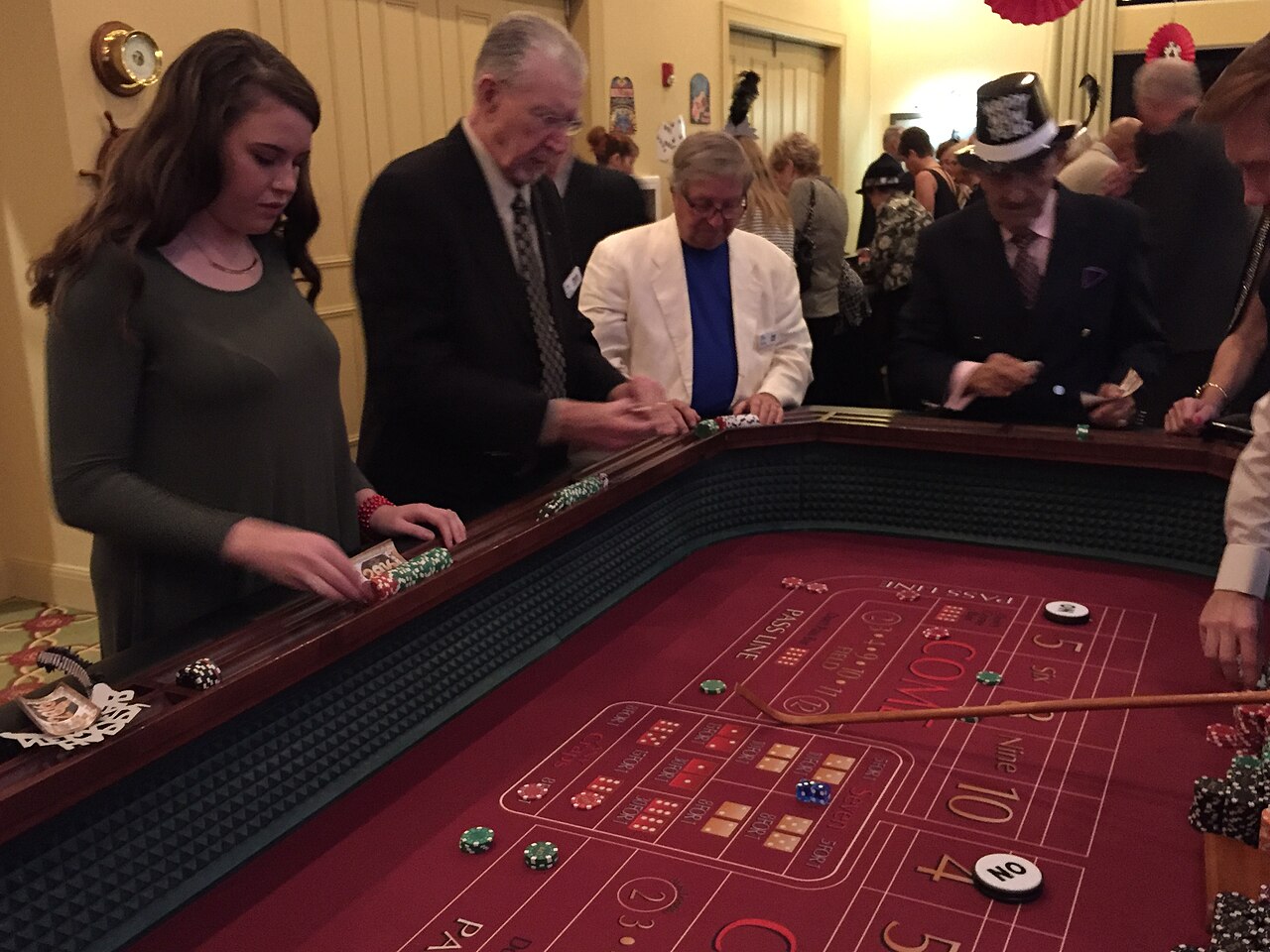
Everyone drops this in before a single card moves. FairPlay tables open the boot at ₹10, and that figure becomes the floor under every bet made for the rest of the hand.
Three Cards, Real Money
Three cards each, a ₹10 boot and a lobby that never shuts. FairPlay deals the game the way it is actually played in Punjab — blind, seen, chaal, side show, pack — with Joker, AK47 and Muflis rooms running beside the classic tables, and UPI deposits landing before the next deal.
Hand Rankings
A three-card deal has 22,100 possible outcomes. The order matters far less than knowing how seldom the good ones turn up.
| # | Hand | What it is | Example | How often | Chance |
|---|---|---|---|---|---|
| 1 | Trail (Trio) | Three of a kind, all matching | A-A-A | 1 in 425 | 0.24% |
| 2 | Pure Sequence | A run of three in one suit | A-K-Q of hearts | 1 in 460 | 0.22% |
| 3 | Sequence (Run) | A run of three, suits mixed | 9-10-J mixed | 1 in 31 | 3.26% |
| 4 | Colour (Flush) | One suit, but out of order | 2-7-K of spades | 1 in 20 | 4.96% |
| 5 | Pair | Two matching cards, one spare | Q-Q-4 | 1 in 6 | 16.94% |
| 6 | High Card | Nothing at all | A-9-5 mixed | 3 in 4 | 74.39% |
Two rules that catch everybody out. The best run is A-K-Q, and the second best is A-2-3 — which sits above K-Q-J, and nobody believes that until a pot goes the wrong way. The other is the 74.39% line at the bottom of the table. Three deals in four arrive with nothing in them at all, so most pots are settled by who was still betting rather than by who was dealt something.
How a Hand Runs
There is less to learn here than in poker. The odd part is that the rules let you bet before you have any idea what you are holding.
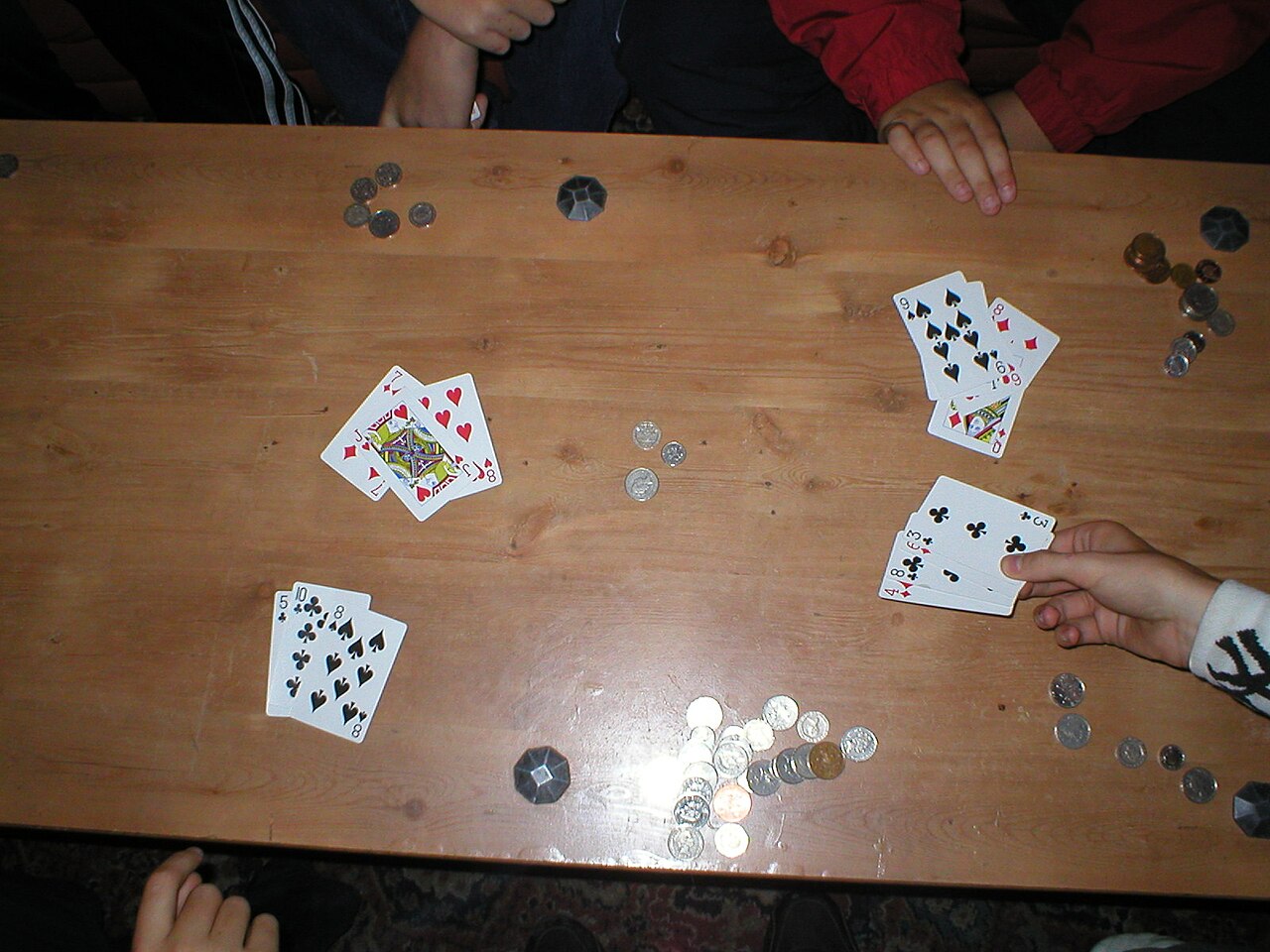
Everyone drops this in before a single card moves. FairPlay tables open the boot at ₹10, and that figure becomes the floor under every bet made for the rest of the hand.
You bet with your cards still face down. It costs half of what a seen player pays each round, and nobody learns a thing about your hand — including you.
Lift the corner and your rate doubles for the rest of the hand. Information is not free at this game; you pay for it on every round after you take it.
Matching the running stake so the hand carries on round to you again. Blind players pay one or two times it. Seen players pay two or four times it.
A seen player asks the seen player before them to compare cards away from the table. Whoever holds less packs immediately. The request can be turned down, and betting simply carries on.
Down to two players, either one can buy the show. Both hands go face up and the bigger one collects. Touch the pot limit and the show happens whether you wanted it or not.
Variants
Sitting down at an AK47 table carrying classic habits is the quickest way to give money away. Read the label above the table before you read your cards.
| Variant | What changes | What it does to your hand |
|---|---|---|
| Classic | Ordinary rankings, nothing wild | Pairs take a fair share of the pots. This is the game the odds table above describes. |
| Joker | One or more wild cards shuffled in | The average winning hand climbs. A lone pair stops being worth a long chase. |
| AK47 | Aces, kings, fours and sevens all wild — sixteen cards | Trails arrive constantly. A high card will not carry a contested pot here. |
| Muflis | The order is flipped, so the worst hand collects | That trail you were delighted with is now the weakest holding on the table. |
| 999 | Hands are judged on how close they sit to 999 | The ranking table stops applying. Read the table rules before you take a seat. |
| 20-20 | A set count of quick rounds with forced betting | Blind play barely fits. The format pushes everybody forward whether they like it or not. |
The fog on the Rajpura road last January was thick enough that I pulled the shutter down at Leela Bhawan by seven and walked back through Model Town with a scarf over my mouth. Wedding season, so a band was still going somewhere past Fountain Chowk. My cousin Manpreet had the television turned down low, watching a red-ball day that had been given up to bad light. I made tea, dragged the heater across, and opened a ₹10 FairPlay Teen Patti table on my phone with a ruled notebook beside me — the forty-rupee kind you buy in Adalat Bazaar. The plan was to write down every hand for an hour and find out where the money actually goes.
Fifty-two hands later I had an answer, and it was not the one I had expected. My balance had gone from ₹2,000 to ₹1,760, which felt like a quiet evening. The notebook said otherwise. Thirty-one of those hands I packed the moment I looked, which cost me the ₹10 boot every time — ₹310 gone before I made a single real decision. Two pots covered most of that back. One pair of nines cost me more than all thirty-one folds put together. That is the honest shape of a Teen Patti session, and no strategy article had ever drawn it for me.
This is the part people arriving from poker refuse to believe. A blind player pays half of what a seen player pays on every round, and gives away nothing at all, because at that stage there is nothing to give away.
Take hand nineteen out of the notebook. Three of us were left after the deal, so the pot opened with ₹30 of boots sitting in it. I stayed blind and pushed ₹10 in each time the action came round. The other two had both looked on the first round and were paying ₹20 apiece. Seven rounds on, I had ₹70 in the middle, they had ₹140 each, and the pot stood at ₹380 with all three of us holding exactly what we had been dealt. Same cards, same pot, half the price. When I finally did look, it was because the stake had climbed to the point where I had to decide whether this hand was worth real money — not because I could not wait any longer.
Go back up to the odds table for a second. High card turns up 74.39% of the time. A pair comes once in six deals, a colour once in twenty, a run once in thirty-one, and a trail once in 425. My notebook came out close enough to that over fifty-two hands: four pairs, three colours, a single run, and no trail whatsoever.
What follows from that is the whole game. On most deals nobody has anything, so pots go to whoever is still betting when the others give up. That is why pushing works here far more often than it does in poker. It is also why the pair of nines cost me ₹460. I called five rounds against a man who had looked immediately and never once slowed down, decided he was bluffing because most people are, and watched him turn over 6-7-8. A weak pair you refuse to let go of is how a ₹10 table quietly drains a balance without a single moment that feels like a mistake.
Asking for a side show makes one opponent compare hands with you in private, and the loser packs on the spot. Used properly it thins out a crowded pot for very little money at a moment when you are holding something real.
Used badly it throws your hand at somebody who was about to fold anyway. And a refusal is information travelling in the wrong direction, because the table now knows you were looking for a way out of betting. Hand thirty-eight is the one I keep going back to. I asked while holding a middling pair, got refused, and packed two rounds later having taught three strangers exactly how I play.
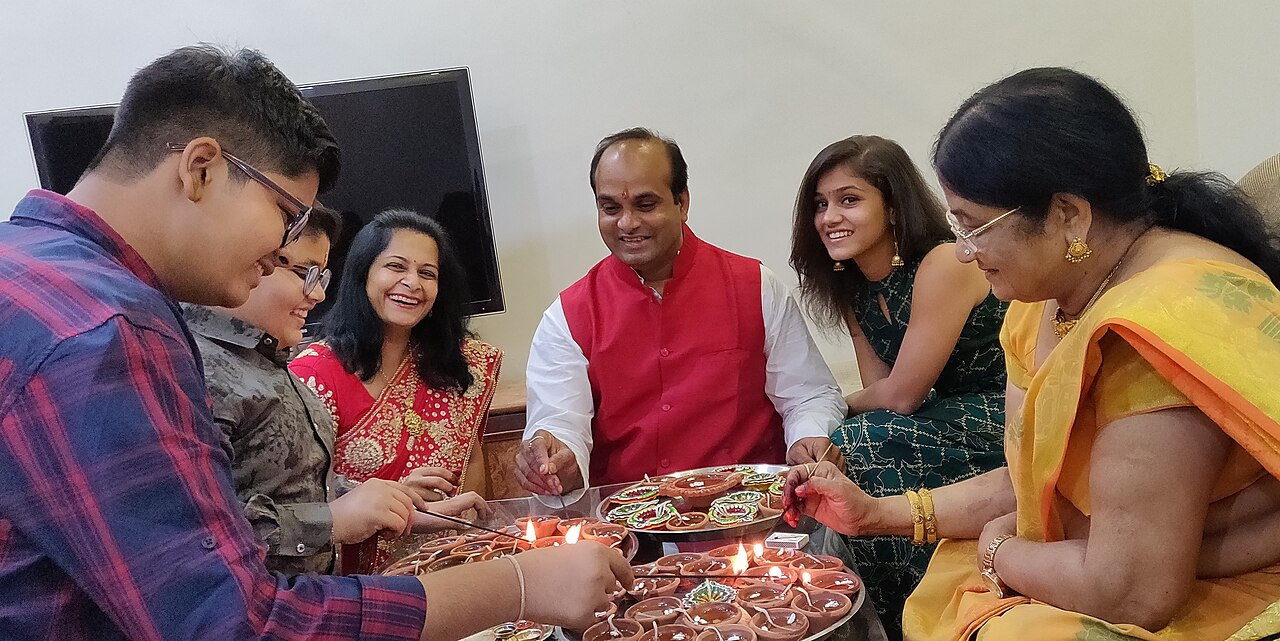
At a family game two stubborn players can push a hand back and forth until somebody's mother calls everyone to eat. Online tables run a pot limit instead. Once the pot touches the cap a show is forced, the cards go down, and it makes no difference whether either player wanted that. Grinding an opponent until his nerve goes is not on the menu, and that is the adjustment that catches most people in their first week.
The other change is that there is nothing left to read except money. No pause before a chaal, no glance sideways, no brother-in-law who reaches for his tea whenever he has been dealt a trail. Bet size and timing are the entire story. Anybody who keeps both of those steady is genuinely hard to beat on a screen, which is often not true of the same person sitting across a table from you.
Sixteen cards are wild at an AK47 table: every ace, every king, every four and every seven. Trails stop being a once-in-425 event and turn ordinary, so a pair is close to worthless and a colour is not the hand you thought it was. Sit at a Muflis table and the entire order is inverted, which means the best cards you can hold are the ones you would normally throw straight back.
These are not decorations laid over classic Teen Patti. They rewrite what everything in your hand is worth. The habit worth building is a dull one: check the variant before you sit, then play the first ten hands smaller than you mean to until the new arithmetic stops feeling strange. Our live casino guide covers how the dealer rooms are run, and Andar Bahar is the one to try if you want something faster with fewer decisions in it.
None of the above needs an account to read, but the ₹10 table does. FairPlay register walks through the sign-up itself: a mobile number, an OTP, and a wallet you can load over UPI from whichever app is already on your phone. Finish the verification the same evening rather than on the night you want to take money out, because a verified account is what keeps a payout quick later on. After that, FairPlay login is the same screen every single time. There is no separate Punjab edition of any of this — same tables, same wallet, same sign-in page, same UPI rails — and FairPlay India sets out the language options and payment notes for players around the country.
One practical note for a first session. Put ₹500 in rather than ₹5,000, and take the smallest boot on the board. Twenty-odd tables are running at any hour of the night, so there is never a reason to sit at a stake you are uncomfortable with just because it happened to be the one with a free chair.
Every few weeks somebody in a group forwards me a Teen Patti predictor app. The pitch never varies: install this, it reads the deal, it tells you what is coming next. There is nothing there to read. The shuffle happens on the operator's side, and no app sitting on your phone can see those cards before they are dealt any more than it can see tomorrow's lottery numbers. What the installer genuinely wants is your login, and people hand it over because the screen they are typing into has been made to look familiar.
The second version is the fellow with an agent ID. He offers to open the account for you, hold your balance, take deposits over UPI and pay winnings out himself. Sometimes he pays for a while, which is what makes it work. But the account is his, the money sits with him, and the day he stops replying there is nobody to take it up with, because from the operator's side that account was never yours. Open your own, keep your own password, and use customer support inside the app rather than a phone number somebody pasted into a group. The same answer covers anyone selling a system: with 22,100 possible hands and a shuffle nobody can see, there is nothing to sell.
Boots open at ₹10 and climb from there, and every table shows its boot, its chaal limits and its pot cap before you join it. Because a hand settles in under a minute, an hour of Teen Patti puts far more money across the wallet than an hour of cricket betting ever will. Fifty-two decisions in seventy minutes is not a small number, which is why a session budget matters more here than almost anywhere else on this site.
Set that limit before you sit down, not at the point where you are trying to win something back. Responsible gaming explains how to put a deposit or loss cap on the account, and support will apply one for you while you wait. Winnings settle into the wallet as each hand finishes, and a withdrawal from a verified account usually reaches the bank in under ten minutes. The last line in my notebook that foggy night was not a hand at all. It read: stopped at ₹1,760, went to bed. That is the line worth copying.
FAQ
The rules, the odds and the money side, answered the way I would answer them for a friend.
Everybody puts the boot in, three cards come down face down, and betting moves clockwise. You either play blind, which costs half rate and tells nobody anything, or you look and play seen at double. That carries on until all but one player has packed, or two are left and one of them buys a show, where the better hand takes the money. Boots open at ₹10 and a hand is usually finished inside a minute.
The trail — three of a kind — with A-A-A at the top of it. Under that come pure sequence, sequence, colour, pair and high card. Watch the runs, because A-K-Q is the best of them and A-2-3 is second, which puts it above K-Q-J. That one costs somebody a pot at nearly every table I have sat at.
Because the order came from tradition rather than from a probability table. Out of the 22,100 three-card hands there are 52 trails and only 48 pure sequences, so the pure sequence is rarer by a whisker and still finishes second. It is the one place where the rankings and the arithmetic disagree with each other, and every table in the country plays it that way regardless.
Blind costs half per round and hides nothing, because at that point there is nothing to hide. Against a table where everyone looks on the first round, staying blind for a few rounds puts you in the same pot for half the money. Look when the stake has grown to where you must decide whether to commit properly. Looking out of curiosity on round one is the expensive habit.
Ask when you are holding something real and you want one particular opponent out of a crowded pot cheaply. The player before you compares hands with you privately and the weaker of the two packs. They can refuse, and the refusal tells the table you were hunting for a shortcut. Do not ask because you want to know where you stand — that answer is not worth what it costs you.
Six of them: Classic, Joker, AK47, Muflis, 999 and 20-20. Joker and AK47 put wild cards into the deck, which lifts the average winning hand a long way. Muflis turns the order upside down so the weakest cards collect. Every table names its variant and posts its rules before you sit down, so there is no excuse for finding out halfway through a hand.
In three ways. It is much quicker, thirty to sixty seconds a hand against several minutes at a family table. There are no tells to read, so betting patterns are all you get. And a pot cap forces a show once the pot reaches a set size, which kills the war of attrition that two stubborn relatives can run all evening.
Live tables open at a ₹10 boot, with higher limits and VIP rooms running alongside them. Each table shows its boot, its chaal limits and its cap before you join. UPI deposits clear in seconds, so moving up or down a stake level between hands is easy, and a payout from a verified account normally reaches the bank in under ten minutes.
Explore FairPlay