
 Teen Patti
 Roulette
 Poker
PokerCards you can watch land
Real cards out of a real shoe, a real wheel, a person dealing. Cameras cover the felt from several angles, the result is read off the table automatically, and it reaches your screen with the picture.
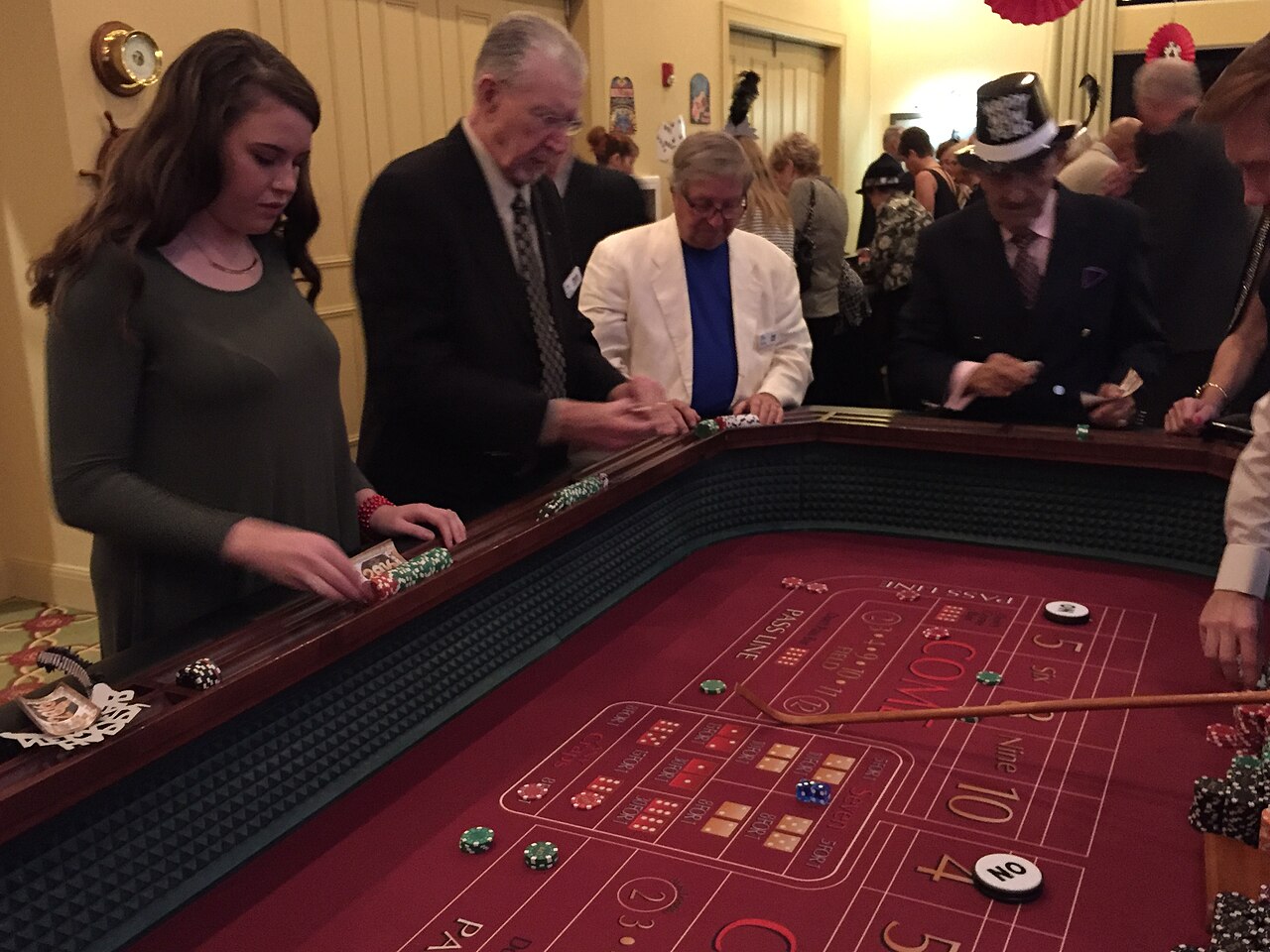
Real Cards, Real Dealers
A shoe, a wheel, and somebody shuffling in front of a camera. That is the whole idea. Teen Patti, Andar Bahar, roulette and blackjack deal around the clock on FairPlay, with Hindi-speaking dealers working through the Indian evening. Seats open at ₹50.
Dealt By Hand
Every one of these has a machine twin sitting in the same lobby. The hand-dealt version is slower, and the slowness turns out to be worth money.
Rounds Per Hour
This settles how far a budget stretches far more than the margin does. Half the speed at the same stake is half the evening's cost.
| Game | Rounds per hour | Betting window | Worth knowing |
|---|---|---|---|
| Andar Bahar | ~100 an hour | About 15 seconds | Fastest thing in the building, and the reason a small stake here goes further down than it looks |
| Blackjack | ~60 an hour | About 15 seconds | Drops off once every box is taken, because each seat is played out on its own |
| Teen Patti | ~60 an hour | About 20 seconds | Betting reopens inside a hand, so one table can run noticeably slower than the next |
| Roulette | ~40 an hour | About 20 seconds | The wheel refuses to be hurried, which makes it one of the cheapest hours going at a fixed stake |
| Baccarat | ~40 an hour | About 15 seconds | The speed variant roughly halves the round time and roughly doubles what an hour costs you |
The unhurried table is the cheaper one. A machine version of any of these games deals several hundred rounds an hour against forty to a hundred here. Identical odds, identical stake, a fraction of the money crossing the margin. The casino hub puts rupee figures against that gap.
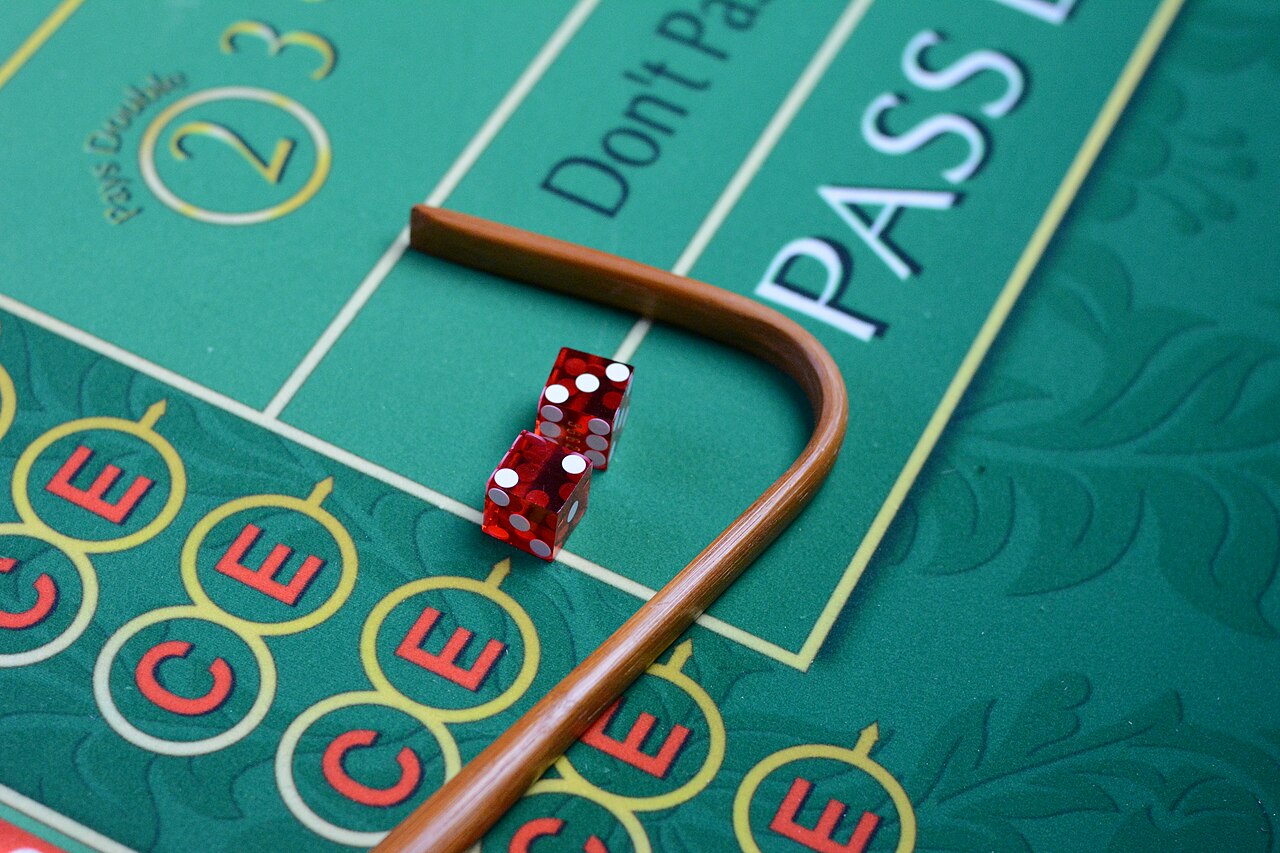
Mobile Data
Most of us play on a daily allowance rather than a broadband line. Nobody warns you how fast a video table gets through one, so here are the figures.
| Stream quality | Approx bitrate | Data per hour | On a 1.5 GB daily plan |
|---|---|---|---|
| Low | ~0.3 Mbps | ~135 MB | Roughly 11 hours before a 1.5 GB day runs dry |
| Standard | ~0.7 Mbps | ~315 MB | Roughly 5 hours out of the same 1.5 GB day |
| HD | ~1.5 Mbps | ~675 MB | Barely 2 hours, and the day is gone |
Turn the quality down. Two hours of HD and a 1.5 GB day is finished. At standard you get somewhere near five, and the cards look the same either way — you are watching a person lay cards on cloth, not a chase to the boundary. The setting sits in the table's own menu.
At the Table
Six things about how a studio table runs, two of which new players almost always get wrong.
Real cards out of a real shoe, a real wheel, a person dealing. Cameras cover the felt from several angles, the result is read off the table automatically, and it reaches your screen with the picture.
That is the whole window, and the length varies by game. Once it shuts the dealer deals, and nothing more goes onto the cloth however fast your thumb is.
A set of tables runs with Hindi-speaking dealers, and those fill first through the Indian evening. The lobby prints the dealer language on the tile before you join.
Standard seats open from around ₹50, while VIP rooms sit a long way above that. Both the floor and the ceiling are shown on the table before you sit down.
Dealers cannot steer a result and are not permitted to tell you how to play a hand. Running the game cleanly is the entire job description.
The chat box is moderated. Dealers answer between rounds, abusive players get removed, and nobody at the table — the dealer included — can see what is in your wallet.
The rain over Vishrambaug had settled in around four o'clock. Not the theatrical sort — the flat grey August drizzle that makes the auto drivers on the Harbhat Road corner park in a row under an awning and give up pretending to work. The Krishna was high. The Marathi news channel kept going back to a reporter in a plastic poncho near the Irwin bridge reading out water levels, then lost interest and put on a repeat of a kabaddi match that nobody in the room was watching.
I made tea, propped the phone against the sugar tin, and opened a live baccarat table.
Beside the phone I keep a notebook. It is not a system. It is a ledger — the long-ruled kind the commission agents use over at the turmeric market for lots, seller, weight, rate, total. My father filled his with haldi. I fill mine with hands: stake, side, result, running total, one line per round. Writing a line takes about four seconds, and those four seconds turn out to be the most useful thing at the table.
I played ₹100 a hand. A live baccarat table gets through something like forty rounds an hour, so ninety minutes of tea and rain came to roughly sixty hands and roughly sixty lines. Add up the stake column and you get ₹6,000 — six thousand rupees pushed across the cloth over the course of one evening.
I finished about ₹450 light. That is neither a grievance nor a boast. A session of that length lands somewhere near there in one direction or the other most of the time, and had it gone the other way I would have learned precisely nothing from it.
The number worth staring at is the ₹6,000, not the ₹450. Turnover is what the house margin is charged against. Every rupee you stake crosses it once, and it makes no difference whether that rupee came out of your bank this evening or has already been won and re-bet four times over.
The machine version of baccarat sits in the same lobby and deals several hundred rounds an hour. Say four hundred, which is nothing unusual for a game you tap through on your own. Same ₹100 a hand, same ninety minutes: six hundred rounds instead of sixty. That is ₹60,000 of turnover instead of ₹6,000, across an identical margin, while the same cup of tea goes cold.
Ten times the exposure for one evening, and the evening does not feel any different while it is happening. Everything about a live table — the studio lighting, the dealer, the good evening in Hindi — reads as the costly end of the lobby. The arithmetic says the reverse, and it is not a close call. A human being can only deal so quickly, and that ceiling is quietly working for you.
If ₹100 a hand is more than you want on the cloth, the floor on a standard table is around ₹50 and every line in the ledger halves with it. The pace stays exactly where it was. Only your exposure moves.
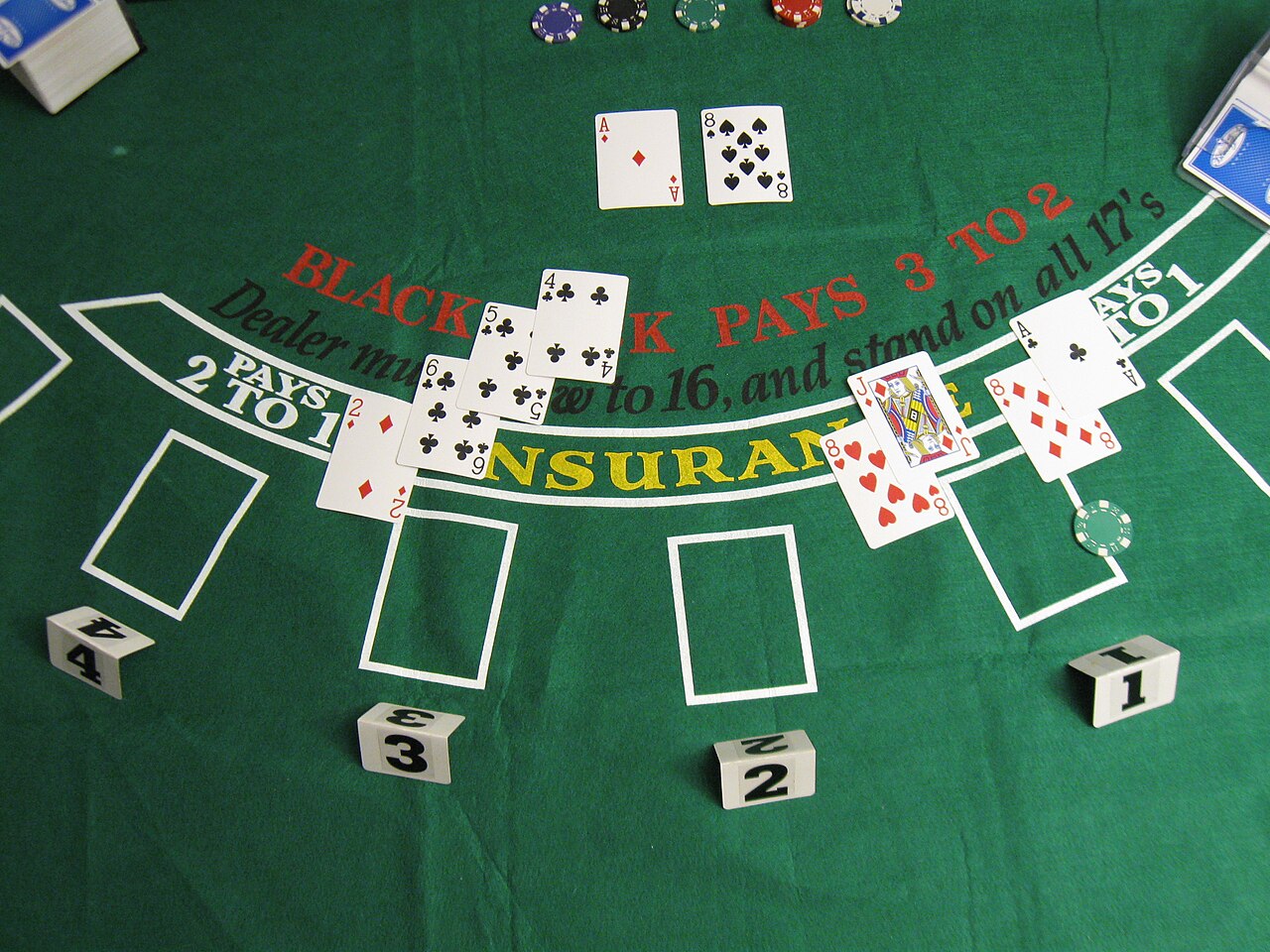
Should you be reading this having never had one, the order of operations is short. You FairPlay register with a phone number, confirm the one-time password, and the account exists. Loading it is a UPI transfer like any other — the same GPay or PhonePe you use at the medical shop near the station. From then on a FairPlay login drops you straight into the lobby.
One thing worth doing before your first real hand: open a table, watch it deal for ten minutes without staking anything, and learn where the buttons sit. The betting window is short and the studio does not slow down for beginners. Watching costs nothing.
FairPlay India covers the account side properly — payment rails, verification, what the app expects of you — rather than the two-line version I have given here. Do the verification early, too. Nobody enjoys discovering a pending document check on the evening they want to move money out.
Baccarat tables show roads. Roulette shows the last dozen numbers. Andar Bahar shows which side has been landing lately. All of it is accurate, all of it is history, and none of it says one word about the next round.
My notebook has exactly the same weakness, and I try to stay honest about it. Sixty lines of stake and result are a good record of what I did with my money. They are not a pattern. The shoe has not read the notebook. The moment a ledger stops being a record of spending and starts being a source of predictions, it has become an expensive object.
I keep writing anyway because of the four seconds. Filling in a line puts a small gap between one round and the next, and a gap is the most valuable thing you can own at a fast table. People who lose track of an evening almost never do it in one dramatic decision. They do it by never once stopping.
There is a whole trade attached to live tables, and Sangli has its share of it. Predictor apps that claim to call the next Andar Bahar side. Chat channels selling a roulette method for a couple of thousand rupees a month. A man with a screenshot of a big win and an offer to run an account for you if you send him the money and the password.
Take those one at a time. No app can predict a physical card coming off a physical shoe in a studio, and if such a thing existed the person holding it would not be selling subscriptions to strangers. A method that beats a fixed margin over the long run does not exist for these games; the people offering one are selling the offer, not the method.
The account-handler version is the nastiest of the three, because it looks helpful. Somebody opens and runs an ID on your behalf, takes your deposits through his own UPI, and pays out at his own discretion — which means when he feels like it, and eventually not at all. The money sits in his account rather than yours, and there is nothing to appeal to. Open your own account, keep your own password, and put every deposit and withdrawal through the app so that each rupee has a record with your name against it. If somebody in a chat window is asking for login details, that is the end of the conversation.
Real help is reachable from inside your own account rather than from a stranger's message. Customer support is where a genuine query goes, and anyone who contacts you first on any channel, claiming to speak for the platform, has earned a good deal of suspicion.
The tile in the lobby tells you what a game is called. It does not tell you what the game is. Two blackjack tables in one studio can sit more than a full percentage point apart in house edge purely on whether a natural pays 3:2 or 6:5. A roulette wheel is European or American, and the difference is an extra pocket working against you all night. A baccarat table is standard or no-commission, and the no-commission one is rarely the bargain the name suggests.
Every table posts its rules before you join, and reading them takes about ten seconds. Those ten seconds are worth more than any decision you will make once you are seated, and they are the one piece of real advantage available to a live player.
You get ten to twenty seconds a round. That is ample time to place a bet you already meant to place and nowhere near enough to invent a plan while a dealer waits and a clock runs down in the corner of the screen.
So settle it beforehand: what you are staking, which side you are taking, and what would make you stand up. Once those three are fixed, the window stops being a test and turns back into what it is meant to be — a pause. Improvising inside the window is how people end up on a bet they did not want at a stake they did not choose.
Mine that evening was dull to the point of embarrassment. ₹100, banker, sixty times, stop at ninety minutes. Dull was the objective.
Halfway through the evening the fibre gave up, which in Sangli in August is close to a scheduled event, and the phone fell back to mobile data. HD at about 675 MB an hour would have taken close to a full gigabyte for that ninety-minute session and left very little of a 1.5 GB day standing. I dropped the table to standard instead, which runs at roughly 315 MB an hour, so about 470 MB for the same session.
The picture went from very good to good. The cards stayed exactly as readable, because a card table is not a cricket match — nothing in the frame moves fast enough to need the extra bitrate. If you are on a daily pack and streaming a dealer in HD, you are paying data for the tablecloth.
The studio runs all day, but the Indian evening is when it gets crowded. From about nine the Hindi tables start filling, and a popular blackjack table can run out of boxes altogether. That is less a problem than a scheduling fact: if you want a particular table with a particular dealer language, arriving early is easier than waiting for somebody to leave.
Sangli itself empties out during Ganpati week. The lanes near the temple are packed, the mandals have their sound systems going, and anybody not standing at a pandal is watching one on television. That is the single week of the year I do not play, and for no principled reason — half a mind at a table costs exactly the same as a whole one.
Blackjack tables in the studio accept bet-behind wagers, which means you can back the hand of somebody already seated instead of waiting for a box to open. It sounds like a consolation prize and mostly it is, but it does mean the seat count is not what decides whether you play tonight.
It has one honest use. If you want to see how a table is running before you commit a seat's worth of attention, a small bet-behind keeps you interested without putting any decisions in your hands. Just remember that the person you are backing is playing their own hand, not yours, and owes you nothing at all.
Standard tables start from about ₹50 and VIP rooms go a very long way above that, with both ends of the range printed before you sit. Rounds settle on camera, and a winning hand is back in the wallet before the next deal begins, which is one of the quieter pleasures of a live table over anything that keeps you waiting.
Because a live session naturally runs longer than a machine one — which is the entire point of it — a limit fixed in advance is worth more here than anywhere else in the lobby. Responsible gaming lists what is available, and support will put one on your account if you ask for it. Once the account is verified, a withdrawal tends to be sitting in your bank roughly ten minutes later.
Three things, and none of them clever. Pick the slowest game you actually enjoy, because the slow ones cost less per hour at the same stake. Read the table rules before joining, because two tables with the same name can differ by real money. And write something down — a notebook, a note on the phone, the back of an electricity bill — so that at some point in the evening you are forced to look at a total.
I closed the notebook at ten past ten. Sixty lines, ₹6,000 through, ₹450 gone, rain still coming down, kabaddi repeat still running. It is a record and not a forecast, and that is the only thing I ask of it.
FAQ
Streams, dealers, stakes, and what happens when the line drops.
A dealer in a studio deals physical cards or spins a real wheel under several cameras. Software reads the result off the table and sends it to your screen at the same moment as the video, so the picture and the game state never drift apart. Your bets go in from your device during a fixed window, and the dealer settles the round in front of you.
HD runs at roughly 1.5 Mbps, which comes to about 675 MB an hour, so a 1.5 GB daily pack gives you a bit over two hours and then stops. Standard quality is around 315 MB an hour and the lowest setting about 135 MB. Cards stay perfectly legible at standard, so streaming a card table in HD on a daily pack is throwing the pack away.
On a set of tables, yes, and those tend to be the fullest ones once the Indian evening gets going. The lobby prints the dealer language on the table tile, so you choose before you sit rather than discovering it afterwards.
About 2 Mbps keeps an HD table happy, and standard quality asks for considerably less. Steadiness beats raw speed here. A line that vanishes for two seconds at a time will spoil a live round in a way that a slower but constant line never does.
Anything that went on before the window shut is live. The dealer deals, the round settles, and the outcome is waiting in your account history when you come back. A dropped connection cannot lose you a bet, and it cannot get you out of one either.
The other way round, and by a wide margin. A dealer manages forty to a hundred rounds an hour where the machine version of the same game gets through several hundred. Since the house margin only bites on money you actually stake, the slower table puts a fraction of the turnover across it. A fixed budget simply lasts longer with a human dealing.
Standard tables generally open somewhere between ₹50 and ₹100, which is above what the machine games ask, because a dealer can only serve so many rounds in an hour. VIP rooms run to far larger minimums and maximums. Whichever table you pick, its own floor and ceiling are shown before you take the seat.
No on both counts. The camera points one way only. Everyone else at the table gets your display name and that is the whole of it; your balance and your betting history are not part of what is shared. Dealers reply to chat but have no window into anybody's account.
Explore FairPlay