
Three-reel slots
A few paylines, no feature hidden behind a trigger, nothing to wait for. Wins land often and stay small, and the pace belongs to your thumb rather than to the game.
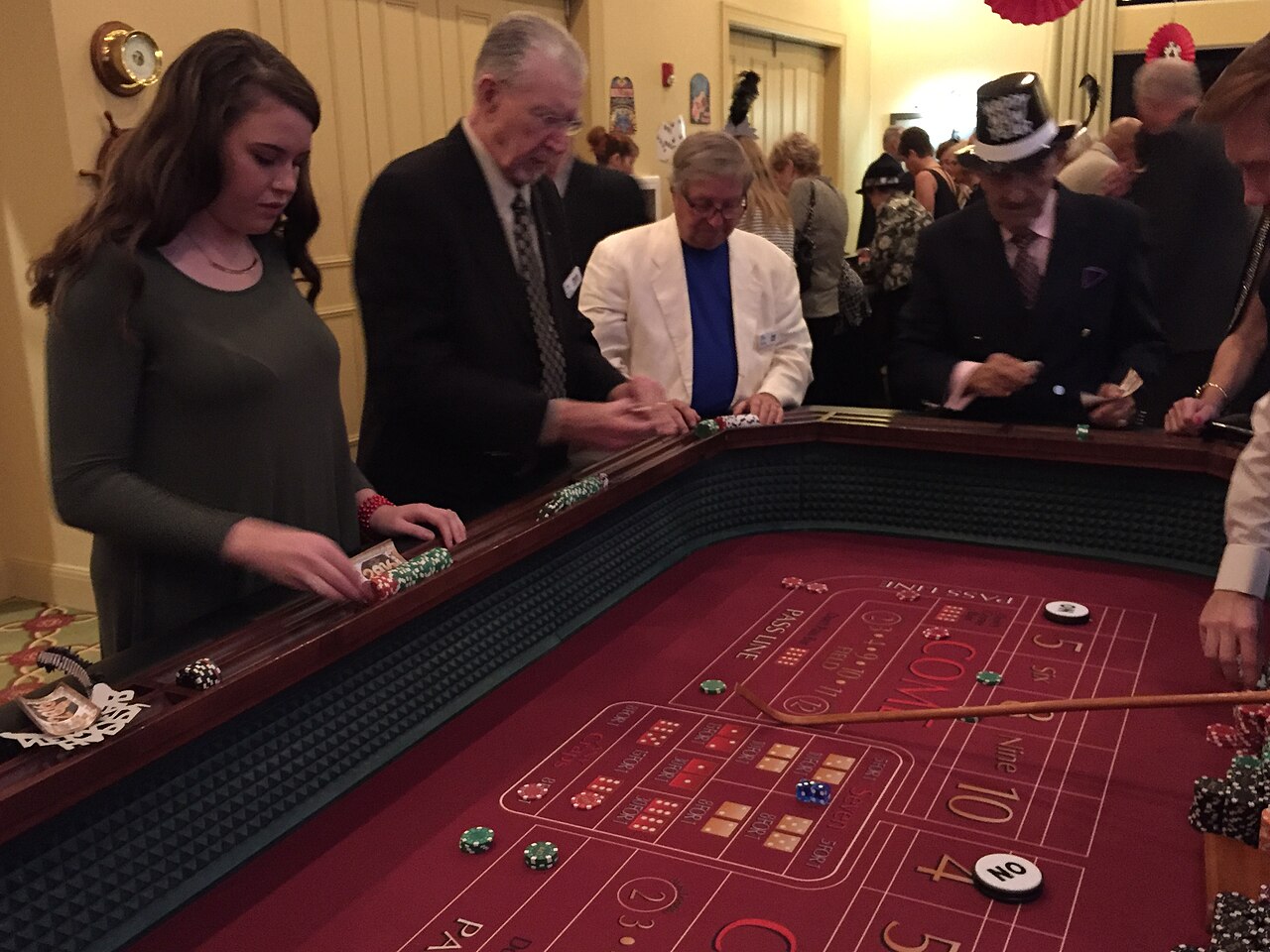
2,000+ titles, ₹10 a spin, Karimnagar
Sandeep rang me from Karimnagar the evening he worked out that his ₹10 spins had run ₹6,000 through a FairPlay slot in about an hour. His wallet had barely moved. The distance between what you deposit and what the game handles is the whole story of slots, and it is what this page sets out to explain.
Turnover, Not Deposit
Sandeep's question was a fair one. If the house only keeps four percent, how did a quiet Tuesday go so quickly? The answer is in this table. Every game below is played at ₹100 a round, and the single thing changing from row to row is how many rounds an hour holds.
| Game | Rounds/hr | House edge | Staked per hour | Expected loss |
|---|---|---|---|---|
| Slots, fast play | 600 | 4.00% | ₹60,000 | ₹2,400 |
| Slots, unhurried | 300 | 4.00% | ₹30,000 | ₹1,200 |
| RNG roulette | 250 | 2.70% | ₹25,000 | ₹675 |
| Live Andar Bahar | 60 | 2.15% | ₹6,000 | ₹129 |
| Live roulette | 40 | 2.70% | ₹4,000 | ₹108 |
| Live blackjack, played well | 60 | 0.50% | ₹6,000 | ₹30 |
The same ₹100 chip, eighty times the bill. A fast slot spin and a blackjack hand played properly both cost ₹100 to place. One of them expects to take ₹2,400 off you across an hour and the other expects to take ₹30. No RTP figure printed on either game will warn you about that, because RTP prices one bet and an hour is built from hundreds of them. Only two things move the ₹2,400 in any serious way: how big your stake is, and how many spins you let into the time. Trading a 95.8% title for a 96.2% one adjusts a number you will never feel.
Sorting The Lobby
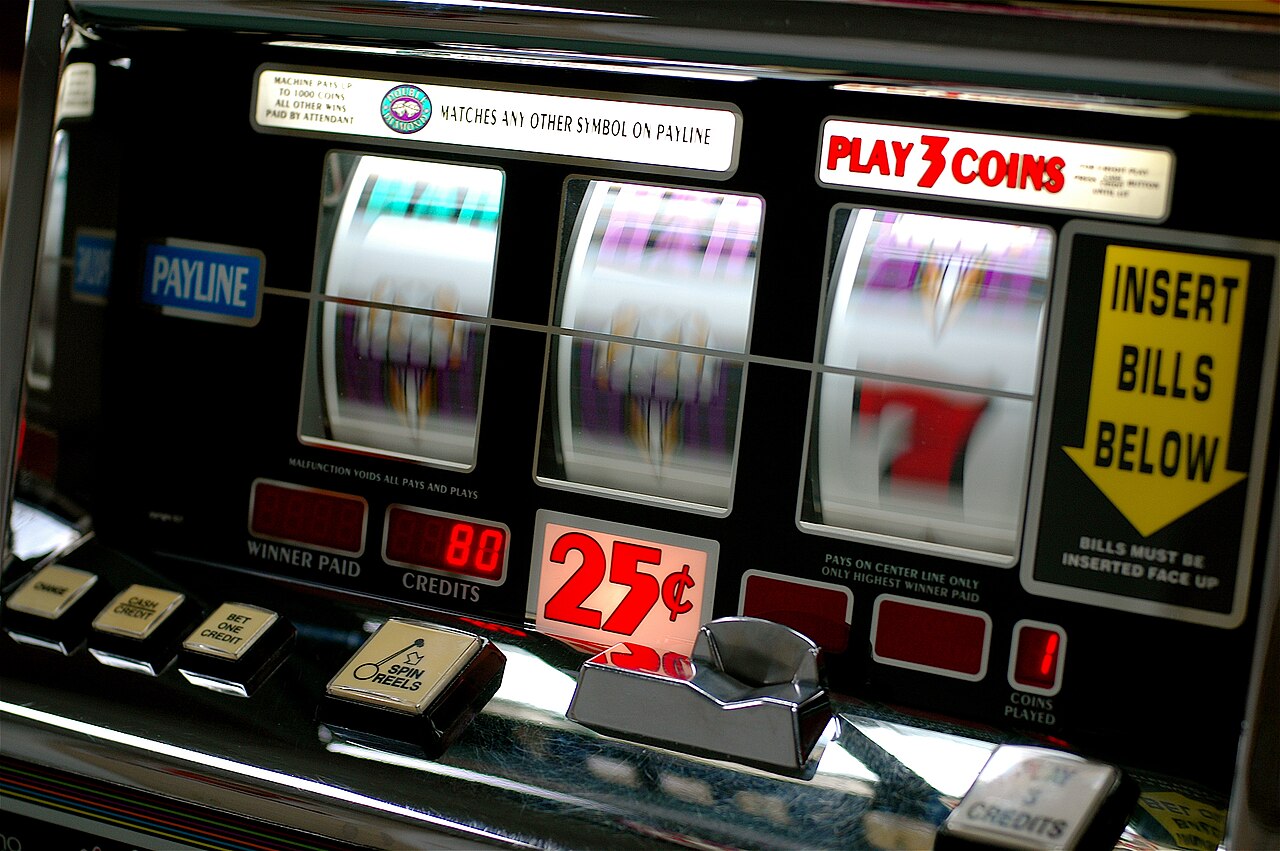
Two thousand titles sound like two thousand decisions. They are mostly six, and the differences between them are about how the same return gets delivered to you rather than how much of it there is.
A few paylines, no feature hidden behind a trigger, nothing to wait for. Wins land often and stay small, and the pace belongs to your thumb rather than to the game.
Five reels, twenty to fifty paylines, free spins and a pick-round somewhere inside. Most of the lobby sits here, and so does the middle of the volatility range.
Reel heights shuffle on every spin, which is how a title advertises tens of thousands of ways to win. Long flat stretches, broken now and then by something heavy.
One prize grows on a contribution skimmed from every spin every player makes. To pay for it, the base game has to hand back less than a plain slot would.
Hand over a set multiple of your stake and the feature begins straight away. It is priced so the edge holds steady, or drifts a shade further against you.
Neither one touches the odds. Both raise spins per hour, and the bill for an hour rises by exactly the same proportion, which makes this the setting that decides your evening.
The Quiet Stretch
Sandeep's title runs its free-spins round on average once in two hundred spins. He went most of an evening without seeing it and concluded the game had closed on him. Here is how ordinary that stretch actually was.
| Across | Chance of no trigger |
|---|---|
| 100 spins | 60.6% |
| 200 spins | 36.7% |
| 400 spins | 13.5% |
| 600 spins | 4.9% |
Thirteen and a half percent is not a rare event. Roughly one session in seven runs four hundred spins and shows you nothing, and that is the plain behaviour of a one-in-two-hundred trigger rather than a game that has tightened up overnight. The mirror image of the error costs just as much: a title six hundred spins into silence is not owed anything on the next press. Each spin is drawn fresh, and drawing fresh every time is exactly why a quiet run can carry on far past the point where it starts to feel personal.
Sandeep started at about a quarter past nine, with ₹2,000 sitting in the wallet and the stake set to ₹10. He left turbo on because the reels felt sluggish without it. When he put the phone down he was a couple of hundred rupees down, which is close to where the arithmetic says an hour at that speed lands — about ₹240 — and he had staked ₹6,000, which had not crossed his mind once. Both things were true at the same time. The second one is the part nobody bothers to explain.
The mechanic is simple once somebody says it out loud. A slot returns most of what it takes. At 96% RTP, ₹100 staked comes back as ₹96 on average and the game keeps ₹4. But that ₹96 does not land in your pocket — it lands in your balance, and the balance is what you press the button with again. So the same money goes in, comes back slightly lighter, goes in again, comes back slightly lighter again.
Sandeep's ₹2,000 was never disappearing at ₹6,000 an hour. It was circulating. The game handled ₹6,000 of turnover across the hour and the wallet only paid the four percent skim taken on each pass through, which comes to something near ₹240. That is why an evening of slots feels affordable while it is happening. The falling number is small and slow. The number you are genuinely exposed to is large and completely invisible, because the app shows you a balance and never once shows you a running turnover. If a line at the top of the screen read "staked this session: ₹6,000", a great many people would play differently.
The edge is taken from turnover, not from your deposit. That single fact explains the whole table further up the page. An hour of fast slot play at ₹100 a round is ₹60,000 of turnover, and four percent of ₹60,000 is ₹2,400. The same ₹100 at a blackjack table is sixty hands, so ₹6,000 of turnover, and half a percent of that is ₹30. Nobody has decided to charge you more per bet on the slot. You are simply making a very great many more bets.
This is also why the Andar Bahar row reads ₹129 despite an edge of 2.15%, four times blackjack's. A dealer has to shuffle, deal and settle, so sixty hands is about the honest ceiling for an hour. The edge is worse and the bill is still small, because the wheel of turnover turns slowly. Speed beats percentage almost every time, and slots are the fastest thing in the building.
A slot has no dealer to wait on, no decision that can be played wrong and nobody else at the table holding things up. Nothing in the game itself sets the pace. Blackjack pauses because you have to think; a live table pauses because a person has to move their hands. Take both of those away and the only governor left is how quickly a thumb can tap, or how quickly autoplay taps on your behalf.
Sandeep's turbo setting was doing more to his Tuesday than his choice of game ever could. Switching it off is the second row of the table: three hundred rounds instead of six hundred, ₹30,000 of turnover instead of ₹60,000, ₹1,200 expected instead of ₹2,400. That is a straight halving of the cost of an evening, and it is bought with nothing except patience. No title in a lobby priced between 94% and 97% will hand you a saving of that size.
Two slots can publish an identical RTP and feel like completely unrelated games. A low-volatility title returns small amounts often, so the balance eases downwards and an hour passes without much drama. A high-volatility one keeps almost everything back for rare, heavy payouts, so the same ₹2,000 either evaporates before the tea goes cold or carries you through to midnight.
Neither is the better buy, because the return underneath is the same. What differs is the ride, and whether the ride matches what you came for. If you have set aside a fixed sum for the evening, low volatility buys you more minutes with it. If you would rather hold a small chance at something you would still be talking about next month, high volatility is the honest way to do that — as long as you are clear that you are paying for swing, not for value.
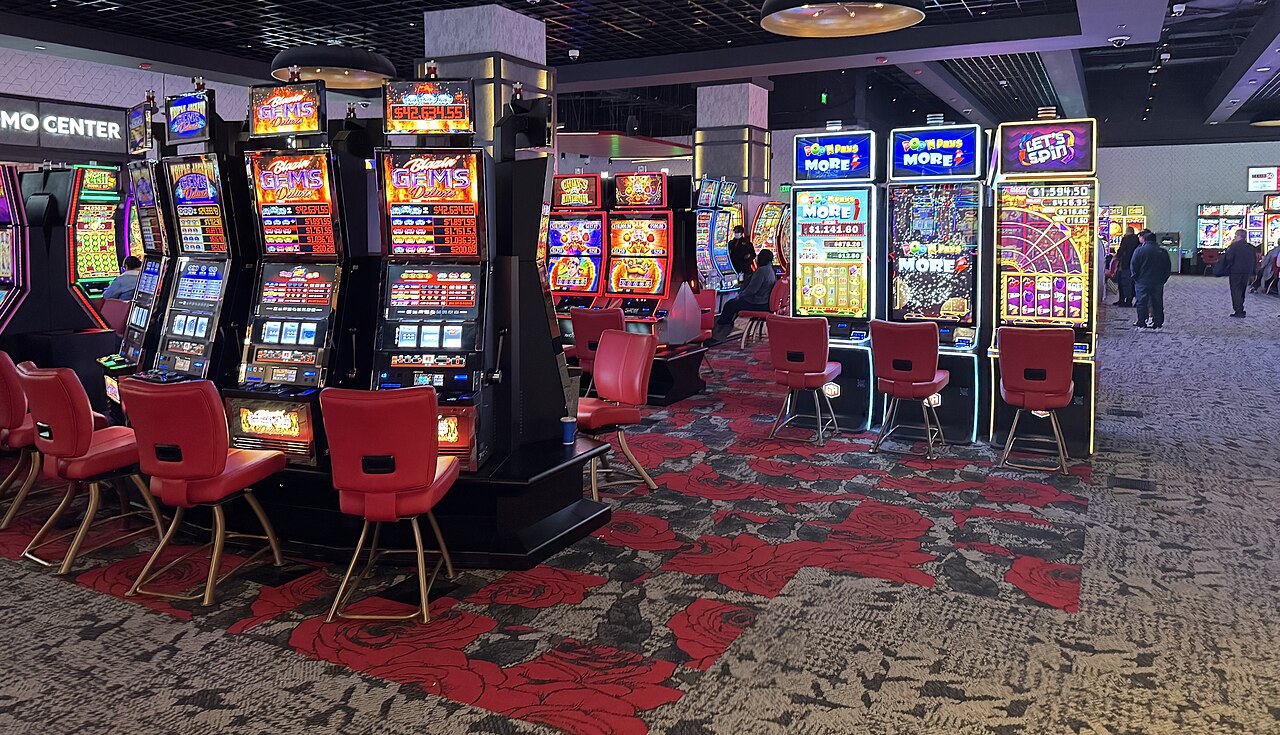
A pooled jackpot has to be paid for by somebody, and the somebody is every player making every spin. The prize grows because a slice of each stake is diverted into it, which means the ordinary game underneath returns less than a comparable slot with no jackpot attached to it.
That is a clean trade and there is nothing underhand about it: weaker returns most nights, in exchange for a very distant shot at a life-changing one. If that is the deal you want, take it with open eyes. What is worth avoiding is taking it by accident, on the quiet assumption that the jackpot is a bonus stapled onto a normal game rather than something your own spins are paying for.
Almost everything above can be checked before you ever put money anywhere. RTP and volatility are published inside the games themselves, the lobby lists what it holds, and the maths on this page works on any slot in any app. Reading first and depositing second is the sensible order, and nobody has ever regretted it.
When you do want an account, it is opened once on the FairPlay register page and reached afterwards through FairPlay login with the same details. It is one account rather than a casino sign-in bolted beside a separate sports one, so the wallet you fund for slots is the same wallet the sportsbook draws from. If you want the wider picture before any of that, FairPlay India covers what the platform does beyond the reels.
The lobby Sandeep opens in Karimnagar is the same lobby as anywhere else — the same titles, the same wallet, the same login screen, the same UPI rails, with no separate Telangana build of the app. What the rules where you are happen to permit is a separate question from how the product behaves, and it is worth checking for yourself rather than taking anyone's word for it.
Every few weeks somebody forwards a link into one of the Karimnagar groups. An "RTP tracker" that claims to show which games are running warm. A Telegram channel charging a few hundred rupees a month for spin timings. A modified APK that supposedly reveals the next result before you press. They are dressed up differently and they all rest on the same false idea.
The drought table is the refutation, and it is a complete one. Each spin is drawn independently, so there is no pattern sitting underneath for anyone to read, and a game that has been silent for six hundred spins carries no debt into the next one. Anybody selling you the timing of a random draw is selling you the timing of a random draw. The only reliable thing they have found is you.
A second one is closer to home and costs more. Somebody offers to top your account up for cash, or asks you to send the deposit to a personal UPI ID and promises the balance will appear. Money that leaves your bank that way has left your bank, and there is no record inside your account to point at afterwards. Funding goes through the deposit screen in your own account and nowhere else. Nobody legitimate will ever ask you for your password or an OTP either — not an agent, not a helpful stranger in a group, not a voice on the phone claiming to be support. If something has gone wrong, it goes to support inside the app.
Nearly everyone plays these on a phone, and the practical limits are load time and battery rather than data. A game pulls down its graphics and audio on first open, so the costly habit is bouncing between twenty titles across an evening rather than the spinning itself. Settle on one, let it load once, and a daily pack copes easily. Turbo, incidentally, drains a battery about as fast as it drains everything else.
Slots also sit strangely alongside the games most people here grew up with. Teen Patti and Andar Bahar arrive with company, chatter and a rhythm set by human beings. A slot brings none of that, which is precisely the appeal for some people — but it also strips out every natural moment where a session would have paused on its own. When there is no dealer shuffling and no cousin telling a story, an hour disappears without anything marking it.
Because slots move quickly, they are the games where limits earn their keep. Deposit limits, loss limits and session reminders all live in your account settings, and the moment to set them is before the first spin rather than four hundred quiet spins later, when the decision has stopped being a calm one.
Decide two things in advance and the rest looks after itself: what the evening is allowed to cost, and how long it is allowed to run. The table at the top of this page converts the second into the first, and honestly that conversion is the only genuinely useful piece of slot strategy anyone can hand you. Sandeep now plays with turbo off and a clock on the windowsill, which sounds joyless and has roughly halved what a Tuesday costs him. The tools themselves are set out on responsible gaming, and the casino page lists the house edge on everything in the lobby if you decide you would rather sit at something slower.
FAQ
Turnover, volatility, jackpots, and what a ₹10 spin adds up to.
It is the share of everything staked that a game hands back across an enormous number of spins. 96% RTP means the house keeps 4% of turnover. Turnover is the word carrying the weight there. The figure is quoted per spin, so it prices one bet and says nothing whatsoever about how many bets an hour of play contains — and that second number is the one deciding what your evening costs.
Because the wheel is slow. A live roulette table gets through roughly forty rounds an hour while a slot on turbo manages six hundred. At ₹100 a round that is ₹4,000 of turnover against ₹60,000 of it. The edge is charged on turnover, so the wheel expects to take ₹108 and the slot expects to take ₹2,400. The prettier percentage loses badly once you multiply it by the number of times it gets applied.
Because the same ₹10 keeps returning and going straight back in. At full speed a ₹10 stake runs about ₹6,000 through the game in an hour, and the expected loss on that at 96% RTP is roughly ₹240. Your wallet falls by the ₹240. The game handles the ₹6,000. Nobody thinks of themselves as having bet six thousand rupees, which is precisely the problem, because the six thousand is the figure the arithmetic runs on.
They are two deliveries of the same return, so neither is better value. Low volatility drips small wins back and lets a set amount stretch across a long evening. High volatility pays rarely and heavily, so the same money either disappears inside twenty minutes or lasts until you are tired. Choose low if you are buying time with a fixed sum. Choose high if you would rather hold a small ticket on something memorable, knowing you are buying swing rather than value.
No, and the drought table on this page is the reason. Every spin is drawn on its own and the game keeps no record of what came before. Take a feature that averages one trigger in two hundred spins: there is still a 13.5% chance of seeing nothing at all across four hundred of them. That is common enough to happen to you regularly. A quiet game is not holding anything back, and it is not owed to you either.
They are a trade, and the trade is worth seeing before you take it. The pooled prize is funded by holding back a slice of every spin, so the base game returns less than an equivalent slot with no jackpot bolted on. You accept a poorer everyday return in exchange for a very remote shot at something enormous. Plenty of people genuinely want that. The mistake is assuming the jackpot is a free extra sitting on top of an ordinary game.
It changes what you are paying for, not what you get back. The purchase costs a fixed multiple of your stake and drops you straight into the feature, priced so the edge stays put or slips a little further from you. What it certainly does is speed up turnover, since you skip the base game entirely and every purchase is a large bet placed quickly. File it under speed settings rather than under strategy.
Much less than video, rather more than a scores page, and almost all of it goes on the first load. Each title pulls down its graphics and audio the first time you open it; the spins themselves are light. So the expensive habit on a daily pack is hopping between twenty games in an evening. Settle on one, let it load once, and the rest of the session barely registers.
Explore FairPlay