

Full Time Result
Three ways to be right — home, draw or away — judged on ninety minutes and whatever the fourth official adds to them. Anything played after that belongs to a different market.
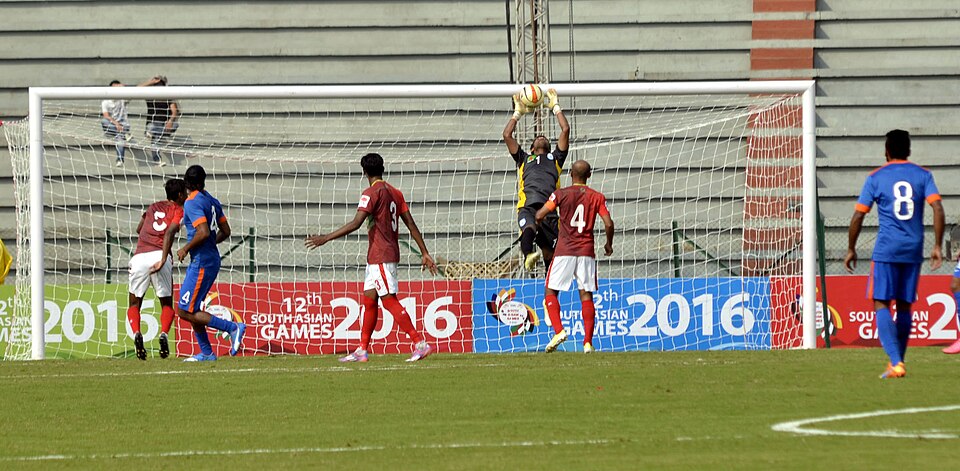
120+ Competitions
Rain on the tea shop roof in Malappuram, the Blasters kicking off at 7:30, and a phone lying flat beside the glass. That is where football money actually moves in this district. FairPlay carries the ISL, the Premier League and the small hours of Europe, with the handicap board explained rather than assumed. Bets open at ₹100.
Prices shown are illustrative
Min 100 · Max 1,00,000
Mumbai City v Bengaluru FCLive
Min 100 · Max 50,000
Min 100 · Max 50,000
Min 100 · Max 2,00,000
Min 100 · Max 1,00,000
Min 100 · Max 50,000
Watching From Kerala
Half of following European football from Malappuram is sleep arithmetic: working out which matches you can realistically stay awake for.
| Competition | Typical IST kick-off | Worth knowing |
|---|---|---|
| Indian Super League | 7:30 PM | The tea is still warm and nobody has to set an alarm for it |
| Premier League, early Saturday | Around 5:00–6:00 PM | The UK lunchtime slot, landing while the shops are still open |
| Premier League, main Saturday block | Around 8:00–8:30 PM | The 3pm English kick-offs, three or four of them at once |
| Premier League, late Saturday | Around 10:30–11:00 PM | Usually the pick of the round, and late without being punishing |
| Premier League, Sunday | Around 7:00–10:00 PM | Staggered, so one match runs straight into the next |
| Champions League | Around 12:30–1:30 AM | You give up a night's sleep for these. Both midweek slots do it |
| La Liga | Around 8:00 PM – 1:30 AM | The widest spread on the list. Big Madrid nights land last |
| Bundesliga, Saturday | Around 7:00–10:00 PM | A German Saturday afternoon is a Kerala Saturday evening |
Two weekends a year, this whole table slides. European clocks jump forward in late March and drop back in late October. Indian Standard Time does neither, ever. So every European kick-off listed above moves by an hour on those two weekends, and the fixture you had settled into catching at 8:30 becomes a 7:30 without warning. Somebody in every group chat loses a first half to it each spring.

Betting Markets
A big European fixture opens with more than 180 of them. Learn these first and most of the rest start reading themselves.
Three ways to be right — home, draw or away — judged on ninety minutes and whatever the fourth official adds to them. Anything played after that belongs to a different market.
One side starts with goals in hand or a deficit to make up, and the draw stops existing. Quarter lines such as -0.25 cut your stake in half and place each half separately, which is walked through below.
Most fixtures are priced around 2.5, with 1.5 and 3.5 sitting either side of it. The competition tells you more about the right line than the two squads do.
Yes or no on both nets being troubled. It pays in leagues that leave gaps at the back and quietly drains money in cagey ones such as the ISL.
You are picking the final scoreline exactly, so the prices are long. It comes alive in-play, once you can see how a match wants to finish.
If your man never leaves the bench, the stake comes back untouched. Coming on after somebody else has already scored normally settles the slip as a loser.
Two of the three results at a trimmed price. Often the honest way to take an away side in a league where almost nobody wins away.
Reset every time somebody scores. Nothing on the board turns over faster, and a red card rips through the price in seconds.
The rain came in off the Chaliyar around six and had settled into a steady drum on the tea shop roof by seven. The Kottappadi road empties quickly on an evening like that. Inside, the television in the corner carried Kerala Blasters against FC Goa, kick-off at 7:30, the picture going soft every few minutes the way it does when the dish is wet. Six or seven of us were watching it. Three had a phone lying flat next to the glass, screen up, the FairPlay football board open on the same fixture.
That split is worth explaining, because it is the entire habit in one image. The television tells you what has happened. The board tells you what the rest of the match is currently worth. Those are two different pieces of information, and a fair number of people in this district have taught themselves to read both at once.
Football here is not borrowed enthusiasm. The sevens grounds around Areekode and Manjeri fill up on tournament nights, boys play on churned mud until the light goes, and when the Blasters kick off down in Kochi the whole of Malabar leans the same way. The betting follows the watching. Nationally football sits second to cricket by a distance, but on a Blasters evening in Malappuram you would never guess it.
Say the board reads the way it does above: Kerala Blasters to back at 2.62, the draw at 3.25, FC Goa at 2.78. The lay price sits a shade higher at 2.68, and the small gap between 2.62 and 2.68 is simply the market breathing — the price to take a bet and the price to stand on the other side of it are never quite the same number.
You put ₹1,000 on the Blasters at 2.62. Nothing has been won or lost yet; the stake has left the wallet and is sitting on the bet. If they win, the slip returns ₹2,620, of which ₹1,620 is profit. If it finishes level, or Goa take it, the ₹1,000 is gone. That is the whole arrangement — no fee skimmed off the top, no rounding at the end.
Then the match starts and the price stops standing still. Goalless at half-time with the rain still coming down, the Blasters number drifts out, because there is less time left to win in. If they score on the hour it collapses inwards, and it collapses in a jump rather than a slide: the market suspends for a few seconds while the goal is confirmed, then reopens at a completely different number. Football does this. Cricket prices trickle ball by ball; football prices sit still and then lurch.
At the final whistle, settlement is automatic and nobody has to claim anything. The wallet updates while the shop is still arguing about the second yellow card. If you want that money in a bank account rather than on the app, a withdrawal from a verified account is usually in the bank inside ten minutes.
The handicap board is where most people in that tea shop lose their footing, so take it slowly. Whole and half lines are simple enough. A team at -1.5 has to win by two or more before your bet stands up. A team at +1 wins if they win, wins if they draw, and hands your stake back if they lose by exactly one goal.
The quarter lines cause the arguments. A -0.25 is not a rounding error. It is two bets sold to you as one. Put ₹1,000 on a side at -0.25 and the money splits itself down the middle: ₹500 goes onto the 0 line, ₹500 goes onto the -0.5 line.
Win the match and both halves come in. Lose it and both halves go. Draw it and the two halves disagree — the ₹500 sitting on 0 is returned to you untouched, and the ₹500 sitting on -0.5 is lost. So a draw costs ₹500 instead of ₹1,000.
That is the reason the line exists. You are backing a side you fancy slightly, and you have bought half a parachute against the result you fear most. On a wet pitch where 1-1 always looks plausible, that half-parachute is worth more than a shorter price on the plain match result would be. Once the split makes sense, the whole handicap column stops looking like code.
Anyone who watches mostly European football and then bets an ISL match on European instincts will spend a season paying for the privilege. The 2.5 line is standard because it sits near the middle of what the big European leagues produce. The Indian Super League is tighter than that. Matches that would sail past 2.5 in England settle under it here often enough to matter.
The habit worth building is to set your expectation from the competition first and adjust for the two sides second, never the other way round. The same reasoning runs through both teams to score: in a cagey league, the no side of that market deserves far more respect than instinct allows, and the instinct in question was trained on the Premier League. On a night with standing water in the corners and the ball stopping dead, the argument only gets stronger.
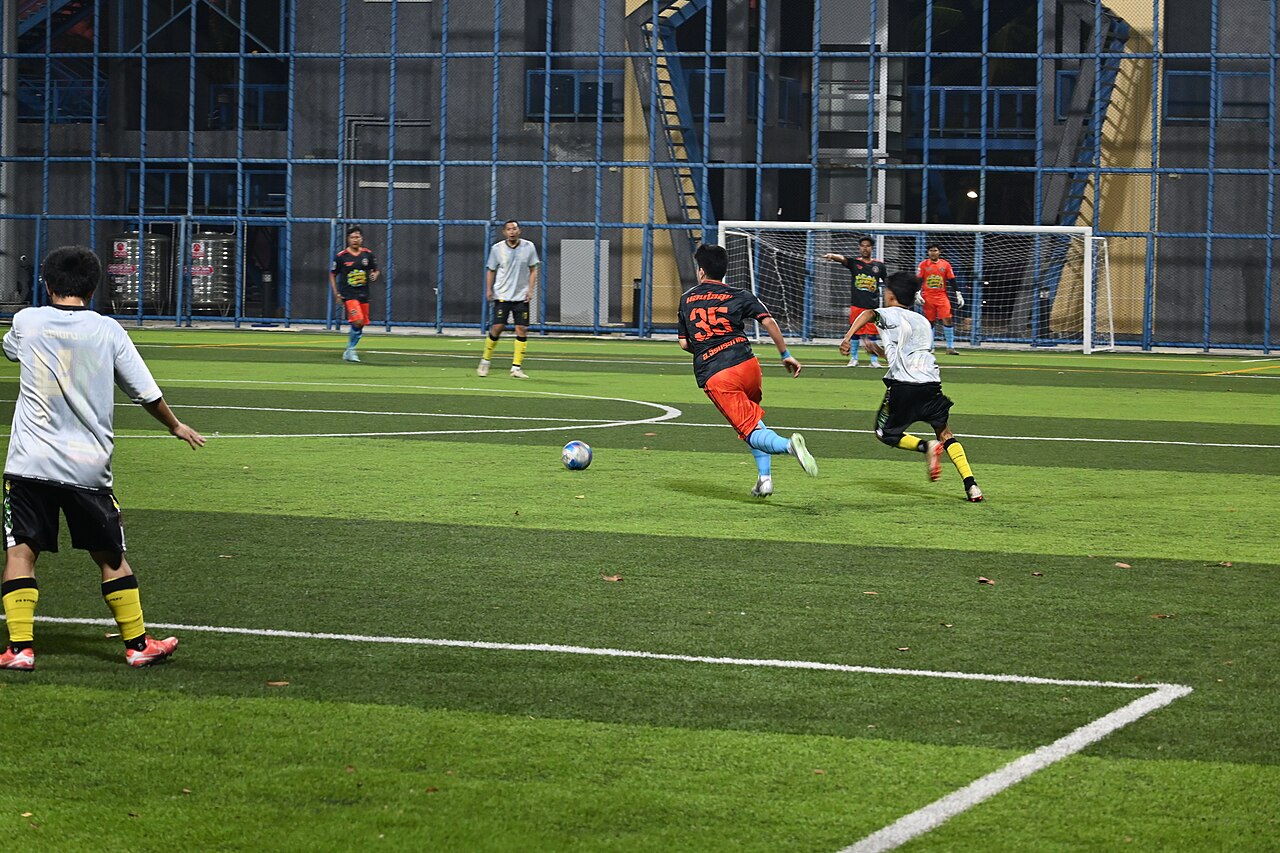
An hour before kick-off the confirmed eleven goes up, and that is the most violent pre-match move you will see on a football market. A first-choice striker rested before a European tie can take ten percent or more off a match result price on his own. Rotation is heaviest exactly when the fixture list is busiest, which is also when the most money is going down.
There is a specific problem in this for anyone watching from Kerala. A Champions League tie kicking off at 12:30 AM has its team news land around 11:30 PM IST. If you place your bet at ten so you can sleep for an hour and set an alarm for the second half, you are betting on a projected line-up rather than a real one. That is a genuine disadvantage and there is no clever way around it. Either you wait up for the sheet, or you accept you are guessing at something the European market already knows.
The ISL is kinder here. A 7:30 kick-off puts the team news out at about half past six, which for most people is after work and before dinner — the one slot in the week where an Indian punter and a European one are looking at the same information at the same time.
Next goal is the fastest thing on a football board and the easiest place to hand money back on a bad night. It reprices after every goal, so what you are really betting on is the next fifteen or twenty minutes rather than the match. A red card tears through it: the price on the side down to ten swings the moment the card is shown, and the market suspends while that happens.
The discipline that helps is unfashionably boring. Decide before kick-off what you would do at 0-0 on the hour, what you would do a goal down, and what you would do a goal up. Fix it in your head while you are calm and the tea is still hot. One in the morning on a Champions League night, tired, with the price sitting there and the shop long shut, is not when good decisions get made. The bet you talk yourself into during a rain delay is almost always worse than the one you planned.
None of this is any use without somewhere to put the bet, so here is the short version for a first-timer. FairPlay register wants a mobile number and an OTP, and the account exists a couple of minutes later. Money goes in over UPI from whichever app is already on the phone. After that, FairPlay login is the only screen you deal with regularly.
The smallest bet on any football market is ₹100, and that is not a token figure dropped into a page like this. It is genuinely what a first bet ought to look like while you are still learning to read a board. Take a ₹100 position on a market you already understand, watch how the number moves across ninety minutes, and see how settlement lands in the wallet. The lesson costs about the same as two teas and a snack at the shop.
Worth stating plainly, because it gets asked: there is no separate Kerala build of this product. The markets, the wallet, the login screen and the UPI rails are one and the same everywhere the site runs, so the ISL board described here is the board somebody in any other state is looking at on the same fixture. FairPlay India sets out what the platform carries nationally, and the app shows the identical markets to the website.
This part is unglamorous and it matters more than any handicap explanation. Win a couple of bets on a Blasters night, say so in the wrong group chat, and within a week strangers start turning up in your messages.
They come in three shapes. The first sells tips: a paid group, screenshots of winning slips, a confident promise about a match nobody has played yet. Anybody who could reliably call football results would not be selling them by the month. The second poses as support and asks for a password, an OTP, or a screen share to verify or release something. Support never needs any of those, and an OTP handed over is an account handed over. The third sends a file to install, usually an APK forwarded on WhatsApp, dressed up as a faster or premium version of the app. Install only from the official app page, and reach the site through FairPlay login rather than a link somebody forwarded you.
Sevens season around here makes the fixed-match sellers bolder, because the tournaments are local, the crowds are large and everyone knows somebody who knows somebody. Treat all of it as noise. Money leaves the platform only to a bank account in your own name, and anyone steering you towards a different route is steering you off a cliff. If something looks off, the support team is reachable from inside the account, which is the only channel worth trusting.
Cricket outweighs football almost everywhere in India, with two obvious dents in that rule. Kolkata is the first: the Mohun Bagan and East Bengal derby pulls attention on the scale of a big IPL night, and the market for it is far thinner than any ordinary Premier League fixture. Malabar is the second, and it shows up in ISL numbers rather than derby numbers.
Thin markets plus real local knowledge is the only place an ordinary punter has ever held an edge. Trying to out-think the Premier League market from a tea shop is a long and expensive hobby, because that price has already been chewed over by more people and more money than you can picture. The Kolkata derby and the ISL are a different proposition. If you have watched Kerala football since you were small, that is knowledge the market has not fully priced in.
Ceilings differ by fixture, and each match prints its own on the board. A major European tie will take up to ₹2,00,000. An ISL match takes up to ₹50,000. Smaller competitions sit lower again, which is no slight on them — a thinner market simply cannot absorb a large bet without moving.
Full time markets close their books on ninety minutes plus whatever stoppage is played, and nothing beyond it. A cup tie that runs to extra time and penalties is still settled on the score when normal time ended, unless the market you took said in its title that extra time was included. Knockout rounds carry those separately and price them separately.
Abandonments follow the rule printed on each market, which generally voids bets unless the match is completed inside a stated window. Read that before a monsoon fixture rather than after one; in this part of the country it is not a hypothetical. And if football is where most of your betting energy goes, set a deposit limit at the start of a season rather than in the middle of a bad month. Limits fixed in the calm are the only ones that hold.
FAQ
Handicaps, kick-off times and the settlement rules that end arguments in the shop.
The Indian Super League kicks off at 7:30 PM IST, which is the friendliest slot of the lot. Premier League Saturdays run from roughly 5:00 PM through to about 11:00 PM IST across three blocks, and the Sunday fixtures sit in the evening. Champions League ties are the hard ones, landing between about 12:30 and 1:30 AM. One thing catches people out every year: European clocks change in late March and late October while Indian Standard Time never moves, so all of the European times above shift by an hour on those two weekends.
It hands one team a head start in goals, or takes goals away from them, so the draw drops out of the market and a lopsided fixture can be priced as something close to a coin toss. A favourite at -1.5 has to win by two clear goals before your bet stands up. An underdog at +1 wins your bet if they win or draw, and returns the stake if they lose by exactly one.
Your stake gets divided in two and placed on the handicaps either side. Back a team at -0.25 with ₹1,000 and it becomes ₹500 on the 0 line plus ₹500 on the -0.5 line. Win the match and both halves come in. Lose it and both halves go. Draw it and the two disagree: the ₹500 on 0 is returned to you as a push while the ₹500 on -0.5 is lost, so the draw costs ₹500 rather than the full ₹1,000. That built-in half-hedge is the whole reason the line exists.
No. That market closes its books on ninety minutes plus stoppage. A knockout tie that runs into extra time and penalties is still settled on whatever the score was when normal time finished. If you want the result after extra time, cup competitions list that as its own market with its own price, and the market title tells you which one you are taking.
A lower one than your Premier League instincts will suggest. The 2.5 line became standard because it sits near the middle of what the big European leagues produce, and the Indian Super League is tighter than that. Fixtures that would clear 2.5 comfortably in England finish under it here often enough to change the sums. Under 2.5, and the no side of both teams to score, deserve far more respect in the ISL than most punters give them.
Yes, and football in-play behaves nothing like cricket in-play. Cricket prices trickle along ball by ball. Football prices sit almost still and then lurch — on a goal, a red card or a penalty award — with the market suspending for a few seconds around each of those while the new price is formed. Next goal is the market that swings hardest, because every goal resets it from scratch.
If they never come on at all, the bet is void and the stake is returned to your wallet. If they come on as a substitute after a goal has already been scored, the usual rule settles the slip as a loser rather than voiding it. That rule is printed on the market itself, and reading it takes ten seconds, which is time well spent before you back a squad player at a long price.
Bets open at ₹100 on every football market. The ceiling depends on the fixture and each match prints its own on the board: a major European tie will take up to ₹2,00,000, an ISL fixture up to ₹50,000, and smaller competitions less again. Derbies and knockout ties carry the biggest limits of the season, because those are the markets with enough money in them to absorb a large bet without lurching.
Explore FairPlay