
Cash games
Your chips are rupees and the door stays open, so you can stand up after one hand or after three hours. A bad decision costs you a single pot instead of your whole evening, which is what makes this the kindest room to be new in.
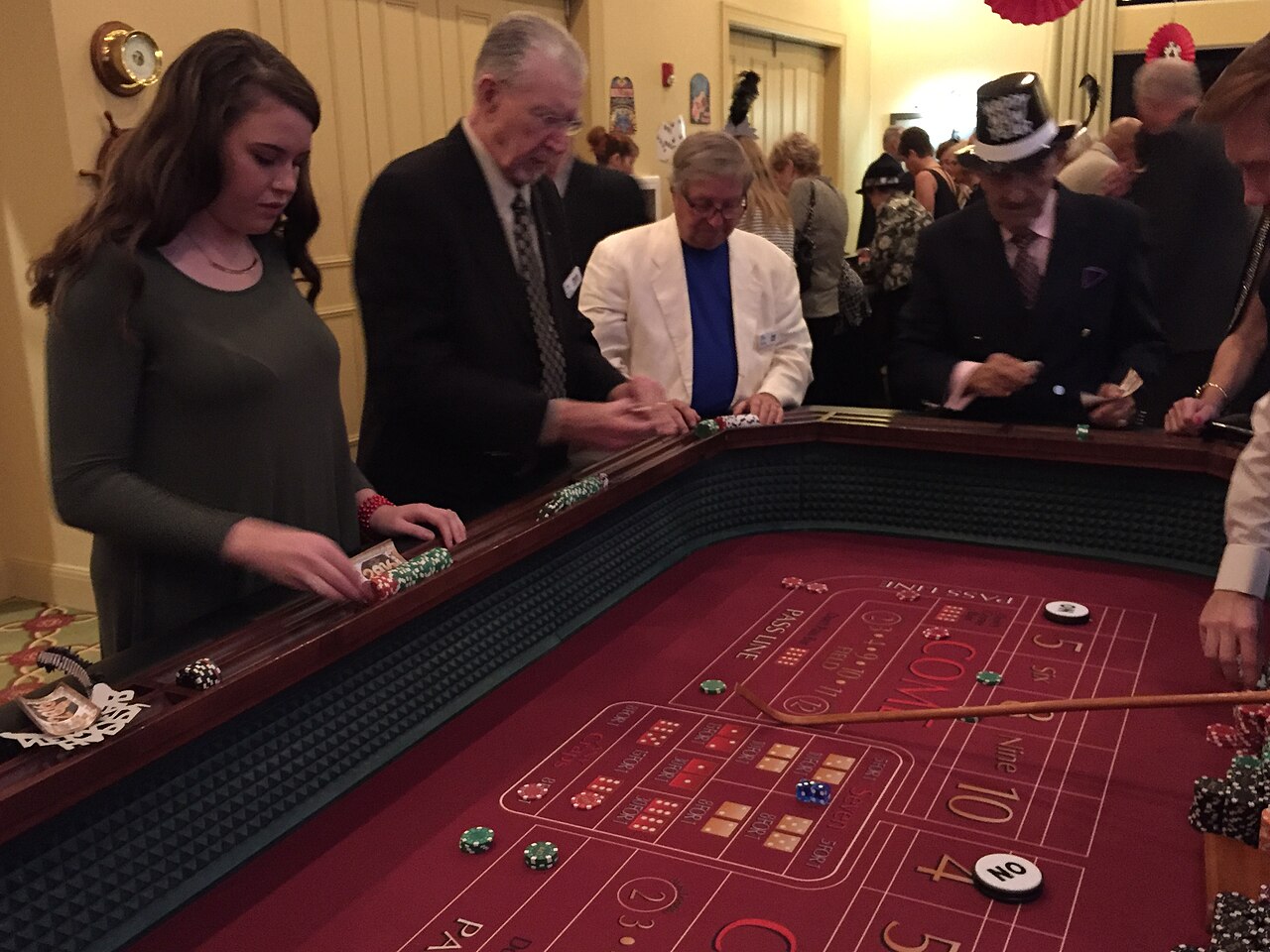
Cash tables, tournaments & sit and go
It was the third week of April in Sathuvachari, the fan had died mid-power-cut, and the flat was still giving back everything it had absorbed since noon. I opened FairPlay poker on the balcony because there was nothing else to do until the current came back. Two hours later I was about two hundred rupees down and could not have named one reason why — which is how this page started.
The One Calculation
Take what it costs to call, divide it by the pot plus that call, and you have the share of hands you need to win before the call has paid for itself. Three seconds of arithmetic, and it settles most of the arguments you have with yourself.
| Pot | To call | You are getting | You need to win |
|---|---|---|---|
| ₹900 | ₹100 | 9 : 1 | 10.0% |
| ₹500 | ₹100 | 5 : 1 | 16.7% |
| ₹1,000 | ₹250 | 4 : 1 | 20.0% |
| ₹300 | ₹100 | 3 : 1 | 25.0% |
| ₹200 | ₹100 | 2 : 1 | 33.3% |
| ₹600 | ₹300 | 2 : 1 | 33.3% |
The same nine outs, two completely different answers. A flush draw gets there roughly 35% of the time by the river. Put ₹100 into a ₹300 pot and the price is asking for 25%, so the call is comfortably right and I would make it again tonight. Put ₹300 into a ₹600 pot and the price is asking for 33.3%, the margin is gone, and everything else about the hand has to decide it. Your cards did not move between those two rows. Only the number sitting in the middle did.
Where The Shortcut Breaks
Four times your outs on the flop gives a workable estimate of your chances by the river. It holds up to about nine outs. Past that it starts telling you what you would like to hear.
| Outs | Typical draw | Rule of 4 says | True chance | Error |
|---|---|---|---|---|
| 4 | Gutshot straight | 16% | 16.5% | −0.5 |
| 8 | Open-ended straight | 32% | 31.5% | +0.5 |
| 9 | Flush draw | 36% | 35.0% | +1.0 |
| 12 | Gutshot plus flush draw | 48% | 45.0% | +3.0 |
| 15 | Straight plus flush draw | 60% | 54.1% | +5.9 |
| 21 | Very big combination draw | 84% | 69.9% | +14.1 |
The error leans in the expensive direction. Under nine outs the shortcut sits within a point of the truth and there is no reason to stop using it. On the monsters — the combination draws you are most likely to push a whole stack in with — it inflates: fifteen outs is really 54.1% and not the 60% on offer, and twenty-one outs is out by nearly fourteen points. The rule of 2 on the turn bends the opposite way and sells you short, so eight outs is 17.4% rather than the 16% it quotes. Keep both rules. Just remember which way each of them bends.
Formats
From ₹50 buy-ins at the bottom of the ladder to deep tournaments, with the sit and go somewhere in between.
Your chips are rupees and the door stays open, so you can stand up after one hand or after three hours. A bad decision costs you a single pot instead of your whole evening, which is what makes this the kindest room to be new in.
You pay once and keep playing until your chips are gone or everybody else's are. The swings are enormous and the nights run long, but a small entry can come back multiplied by a figure cash tables never produce.
A single table that deals the first hand the moment the last seat fills. It tends to run about an hour and the cost is fixed before you sit, which makes it the easiest format to fit around a working evening.
Four cards in your hand, exactly two of which must be used. Made hands run far bigger, the swings run bigger still, and every instinct you built at Hold'em will quietly try to lose your money for you.
Nine seats, or six. With six the blinds come round again before you have finished thinking about the last hand, which loosens everybody up and changes what a given holding is actually worth.
₹50 buys a seat at the bottom of the ladder. The habits that leak money down there are the same ones that leak money at the top, so the cheapest tuition on the site is also the most honest.
The power went at about twenty past eight, the ceiling fan wound down to nothing, and in Vellore in April that is not a small event. We sit well inland here, a long way from any sea breeze, and the building had spent the whole day storing heat and was giving it back with interest. I took the phone out to the balcony where at least the air moved a bit, and sat down at a poker table mostly to have something to look at other than the dark.
I played for around two hours. When the current came back near half eleven I was a little under two hundred rupees down, which is not a catastrophe, and I could not have told you one honest reason for it. That bothered me more than the money did. The next morning I walked into Long Bazaar and bought a ruled exercise book for less than the price of a filter coffee, and after that every session got its own page: the stake, the hands that mattered, how much was in the pot, what it cost to call, and what I actually did.
Six weeks of pages answered the question, and the answer had nothing to do with luck. The same two decisions kept coming back, both of them about price rather than cards, and one of them rested on a shortcut I had been taught only half of. Everything below is what that notebook showed, laid over the two tables further up this page.
Walk past any other table in this casino and the price of the game is fixed before a card moves. Roulette will take 2.70% of everything staked across a long enough evening. Blackjack, played properly, asks for something close to 0.5%. Those numbers do not care who you are, how long you have played or how carefully you think, and no amount of reading moves them.
Poker is assembled the other way round. The operator deals, keeps the room in order, takes a small slice out of each pot and then has no stake at all in who wins. If money lands in your account at the end of the night, it came out of the stacks of the five or eight people who sat down with you. That is a genuinely different proposition, and it is why poker is the only game in the casino lobby where the question of whether you are any good has a bearing on the answer.
None of that makes the game free, and the notebook made the point faster than any article ever had. Think of six people off the same street who are, to the nearest rupee, exactly as good as one another. With nothing coming off the top they can deal all through the north-east monsoon and nobody finishes ahead or behind; the money simply circulates. Start taking a cut from every pot and all six of them lose, at exactly the rate of that cut, because rupees keep leaving the room that none of them ever wins back.
So the target is not to play well. The target is to be better than the people at your particular table by more than the rake removes, and that is a taller wall than it sounds. It is also the reason picking a soft table is worth more than any clever line you will ever find in a video. Nobody enjoys being told that the largest skill in poker is choosing who to sit down with, but six weeks of handwriting agreed with it.
The repeating mistake, once the pages were spread out side by side, was flush draws. Nine cards left in the deck complete one, and from the flop it arrives about 35% of the time by the river. I was calling those draws every single time, which felt admirably consistent and was in fact the whole leak, because the price on offer was different in almost every one of them.
Two lines from the book show it plainly. Early one evening there was ₹300 in the middle and ₹100 to call. Counting my own money into the pot that is 3:1, and the arithmetic asks for 25%. I win far more often than that, so the call was straightforwardly correct. Ten days later, ₹600 in the middle and ₹300 to call. Same nine outs, same 35%, but the price now demands 33.3% and the margin has evaporated. That is not a call so much as a coin toss with the rake standing beside it, and I made it four times in a fortnight without once doing the sum.
The table above this section is the entire method. Divide what you must put in by the pot plus what you must put in. ₹100 into a ₹900 pot asks for 10%. ₹250 into ₹1,000 asks for 20%. ₹100 into ₹200 asks for 33.3%. The cards on the felt tell you how often you win. Only the number in the middle tells you whether that is enough.
The second thing the pages exposed was a shortcut nearly everyone teaches and almost nobody qualifies. Multiply your outs by four on the flop and you get a rough chance of getting there by the river. An open-ended straight draw with eight outs comes out at 32% against a true 31.5%. A flush draw comes out at 36% against 35.0%. That is close enough to act on, and I still use it every session I play.
It falls apart on the big hands. Put a straight draw and a flush draw together and you have fifteen outs, and the rule announces 60% when the honest figure is 54.1%. Push on to twenty-one outs and it claims 84% against a real 69.9% — fourteen points of pure flattery, delivered at precisely the moment you are working out whether to put everything in. The rule of 2, used on the turn, bends the other way and undersells: eight outs is genuinely 17.4% where the shortcut quotes 16%.
Neither of those is a reason to stop counting outs on your fingers. It is a reason to know that the flop shortcut is generous exactly where generosity gets expensive, and to slow down and think properly the moment your out count goes into double figures.
Most of the people I know here who play cards learned on Teen Patti, usually around Diwali, usually sitting on somebody's floor with the television on in the next room. The encouraging part is that the difficult half of poker carries over whole. Working out whether a bet is a strong hand or a performance, noticing that a man who has been silent for forty minutes has suddenly turned chatty — that is the hard skill in both games, and a Teen Patti player has been drilling it for years without giving it a name.
What Hold'em adds is three things, and the ranking of hands is not one of them. Cards go face up in the middle and everybody builds from the same ones, which creates draws: holdings that are nothing yet and might be everything in two more cards. You choose how much to bet instead of putting in a set amount, so the size of a bet becomes information you are either planting or handing over. And the order of play rotates, which means the same two cards are worth different amounts depending on when you have to act.
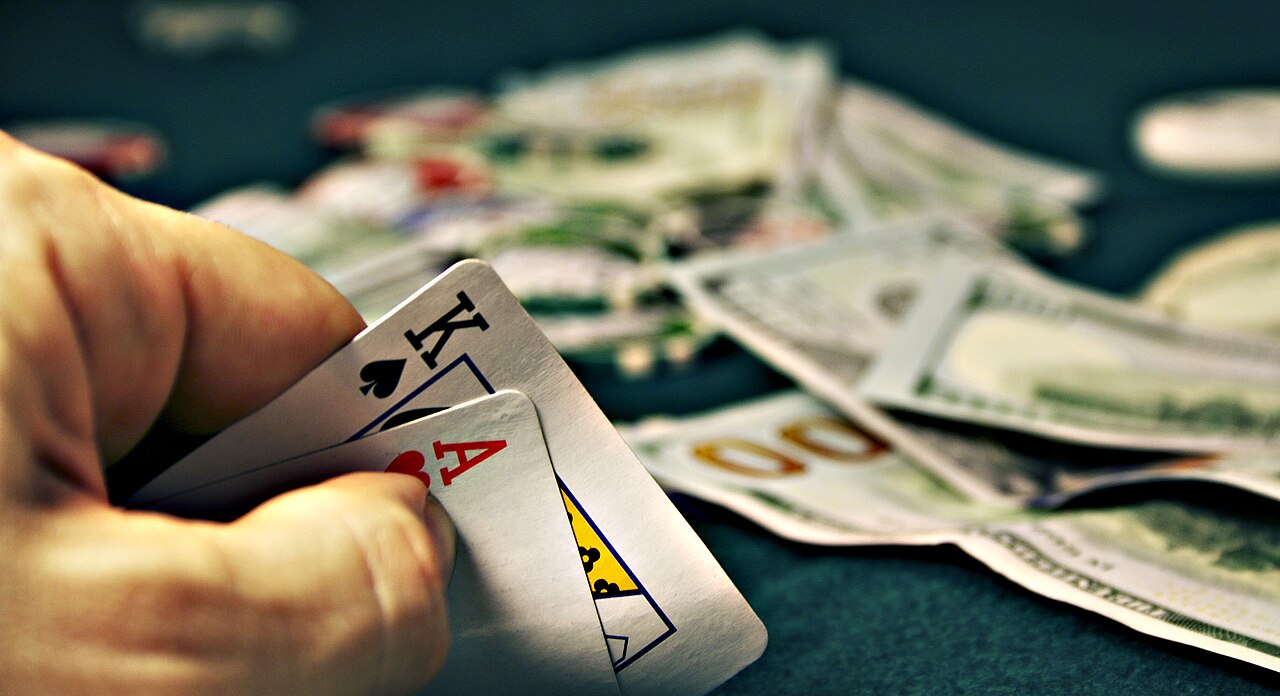
Of those three, the one I underrated for months was the last. Acting after everybody else means every decision you take is made holding more information than anyone else at the table has. Acting first means committing rupees while you know nothing, and then finding out.
In practice, identical cards are worth noticeably more late than early. A hand I would throw away without a thought from the first seat is a comfortable raise from the button, and that is not a matter of taste — the extra information has a rupee value. If you take one habit away from this page, take that one: play more hands when you are last to act and fewer when you are first. There is nothing to memorise, it costs nothing to adopt, and it shows up in your results inside the same week.
None of the arithmetic above needs an account to be true, but you cannot practise it in your head either. Setting one up is a short job: FairPlay register walks through the details and the one-time password, and once that is behind you, FairPlay login is the same screen every time you come back. FairPlay India covers what the platform looks like nationally — the same cash tables, the same wallet and the same sign-in page, with no separate Vellore edition and no separate Coimbatore one.
Funding it takes less time than the sign-up did. Deposits run over UPI, which is the same app you already use for the electricity bill and for the fruit stall near Green Circle. Once there is a balance, the FairPlay app and the browser open the same tables and the same tournaments, and your account area keeps the history where you can go back and read it. If you plan to keep a notebook like mine, that saves a great deal of writing.
Somewhere in your first month a message will arrive. It might be a Telegram group advertising a poker system, it might be an app that claims to predict the next community card, it might be a very polite man on WhatsApp offering to run an ID for you so that you need not bother with registration at all. All three are the same thing wearing different clothes.
Take the predictor apps first. A shuffled deck holds no memory and produces no pattern, so software that claims to read the next card is describing a thing that does not exist. Screenshots of enormous wins are free to produce and cost nothing to fake. The system sellers are slightly more sophisticated: they will show you a spreadsheet, a run of green months and a monthly subscription price, and what they are selling you is the spreadsheet.
The agent accounts are the ones that do genuine damage. Somebody offers to hold the account, takes your money by UPI into a handle of his own and hands you back a username and a password. From that moment your balance is a number on a screen that a stranger controls and can stop honouring the day it suits him. Put money in through the deposit page inside your own account and nowhere else, keep your own FairPlay ID in your own name, and if a message ever confuses you, ask support through the app rather than asking whoever sent it.
The rule that has never once let me down is that anybody guaranteeing an outcome in a game of chance is either mistaken or lying, and from where you are standing it makes very little difference which.
Buy-ins begin at ₹50, and I would argue there is no cheaper classroom anywhere on this site. The errors that lose money at the bottom of the ladder are the identical errors that lose money at the top — calling too many hands, ignoring where you are sitting, chasing a draw at a price that cannot pay for it. Handing over a couple of hundred rupees across a fortnight to learn those is a better deal than handing over a couple of thousand, and the lesson does not improve with the price tag.
Small stakes also let you practise being bored. Folding for twenty minutes is correct far more often than it is entertaining, and at ₹50 you can sit through it without the boredom costing anything worth counting. Every player I know who does reasonably well began by getting comfortable doing nothing at all for long stretches.
Poker eats hours in a way roulette does not. A tournament will run past midnight without asking your permission, and a cash table will happily keep dealing while the last trains in and out of Katpadi come and go. Deposit and session limits belong in place before you sit down, while the decision is still a calm one; nobody in the history of the game has set a sensible limit halfway through a bad hour. Responsible gaming lists the tools and takes about a minute to work through, and withdrawals is worth reading once before you need it rather than at two in the morning.
I still keep the notebook, though it has long since moved onto the phone. On the good nights it is dull reading. On the bad ones it is the only part of the session telling the truth, and that has been worth more to me than any system anybody has ever tried to sell me on Telegram.
FAQ
Rake, prices, the rule of 4, and what changes when you come over from Teen Patti.
There is not one, which makes poker the odd game out in the whole building. Everything else prices itself against you before a card moves — roulette takes 2.70%, blackjack played properly costs somewhere around 0.5% — and no amount of study shifts those figures by a fraction. Poker takes rake instead, a slice off each pot, then leaves the players to fight over what is left. Anything you win came out of somebody else's stack rather than out of the operator's pocket, and that is the entire reason this is the one game here where being better than the people around you decides how the night ends.
Rake, and it deserves more respect than it usually gets. Picture six people who are, to the nearest rupee, exactly as good as one another. Take nothing off the top and the game is a closed loop — they can deal until the monsoon arrives and nobody finishes ahead. Start taking a cut of each pot and all six finish down, at precisely that rate, because money keeps walking out of the room that none of them ever wins back. So the bar is not playing well. The bar is beating your own table by more than the rake removes, which is why thin edges that would print money in a rake-free game come out flat in a real one.
Divide what it costs to call by the pot plus that call. With ₹300 in the middle and ₹100 to call, you are risking ₹100 to collect ₹400, so you need to be right at least 25% of the time before the call pays for itself. That is the whole method. It takes about three seconds, it is the most useful arithmetic anywhere in the game, and a good share of the people losing money at small stakes have never once done it with a live hand in front of them.
Up to roughly nine outs, completely. A flush draw comes out as 36% by the shortcut against a true 35.0%, and a gutshot as 16% against 16.5%, and neither gap is big enough to change what you should do. Past nine outs it begins flattering you. Fifteen outs is genuinely 54.1% rather than the 60% the rule promises, and twenty-one outs is out by roughly fourteen points, which is a lot of encouragement to be given at the exact moment you are deciding whether to commit a stack. The rule of 2 on the turn tilts the safer way and undersells you slightly: eight outs is 17.4%, not the 16% it quotes.
Three things, and the ranking of hands is not among them. Cards come face up in the middle for everyone to build from, which produces draws, and deciding whether to chase a draw or let it go is most of the game. You choose your own bet size instead of putting in a set amount, so the size itself becomes information you are either planting or giving away. And the seat you act from rotates, so the order of play changes hand by hand. Those three additions are the whole learning curve. The harder skill, which is reading the person rather than the cards, you already have.
It is the last thing an experienced player would agree to give up. Acting after everybody else on every street means each decision you make is taken with more information than anyone else at the table is holding, and the same two cards turn a better profit from a late seat than from an early one. If you want a single adjustment that shows up inside a week, play more hands when you are last to act and fewer when you are first. There is nothing to memorise and nothing to practise. It simply starts working.
It is the sensible way in. Buy-ins start at ₹50, and the mistakes that cost you money at those stakes are precisely the ones that will cost you money later on — calling too wide, ignoring where you are sitting, chasing a draw at a price that cannot pay. Learning them for a few hundred rupees instead of a few thousand is the same course at a lower fee. Nothing about the content changes as the numbers grow. Only the size of the receipt does.
No. A shuffled deck keeps no memory of the last hand, so nothing can forecast the next card, and the apps claiming otherwise are selling screenshots that anybody with ten minutes can fabricate. Subscription sellers are the same idea with a spreadsheet stapled to it. The worst of the lot are the people offering to run an account on your behalf and take your money through their own UPI handle — the moment a stranger holds the balance, you are trusting his goodwill instead of something you can check for yourself. Top up your own account through the deposit page, and if a message looks strange, ask support inside the app rather than asking whoever sent it.
Explore FairPlay