

Win
Pick the horse that crosses the line first and nothing else on the sheet counts. It is also the one bet where the number you accepted is the number you are paid, whatever the money does behind you.
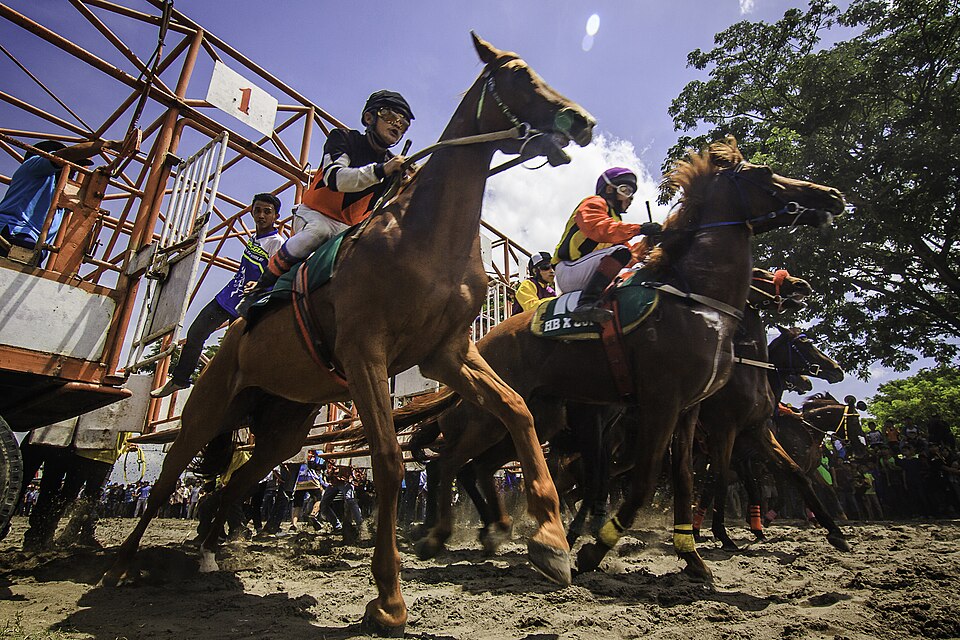
A Kolkata card, watched from the Nilgiris
You walk past the Ooty racecourse to get almost anywhere in town — it lies low beside the lake below Charing Cross, and on the Thursday I keep coming back to, the rails had nothing on them but mist. The card was in Kolkata. Four of us watched Race 6 on a phone propped against a flask in a shop off Commercial Road, and the argument was never really about which horse would win. It was about whether backing the second favourite each way on FairPlay was shrewd, or just a slower way of losing ₹400.
Due Off Shortly
Whatever goes to post next, from the Mumbai sprint to the Kolkata sixth we sat through. Every clock on this board is IST.
Prices shown are illustrative
Mumbai — Race 4, 1200m TurfLive
Min 100 · Max 50,000
Bangalore — Race 2, 1400m Turf
Min 100 · Max 25,000
Min 100 · Max 25,000
Hyderabad — Race 3, 1100m Turf
Min 100 · Max 25,000
Min 100 · Max 20,000
Where The ₹400 Went
One bet in name, two in the wallet: ₹1,000 each way leaves ₹2,000 behind. These columns show the horse winning, and the horse only reaching the frame.
| Price | Returns if it wins | Returns if placed only | Profit if placed |
|---|---|---|---|
| 4.0 (3/1) | ₹5,600 | ₹1,600 | −₹400 |
| 5.0 (4/1) | ₹6,800 | ₹1,800 | −₹200 |
| 6.0 (5/1) | ₹8,000 | ₹2,000 | Break even |
| 7.0 (6/1) | ₹9,200 | ₹2,200 | +₹200 |
| 9.0 (8/1) | ₹11,600 | ₹2,600 | +₹600 |
| 11.0 (10/1) | ₹14,000 | ₹3,000 | +₹1,000 |
| 21.0 (20/1) | ₹26,000 | ₹5,000 | +₹3,000 |
Our horse ran second and the shop went quiet. Run an eye down the top rows and the reason is sitting there. The place half is being asked to carry the entire ₹2,000 home on its own, and at a short price it cannot lift that much. A 4.0 chance beaten a length gives back ₹1,600 against ₹2,000 gone in. Everybody around that flask called it unlucky. The wallet called it a ₹400 loss, and the wallet was the one keeping score.
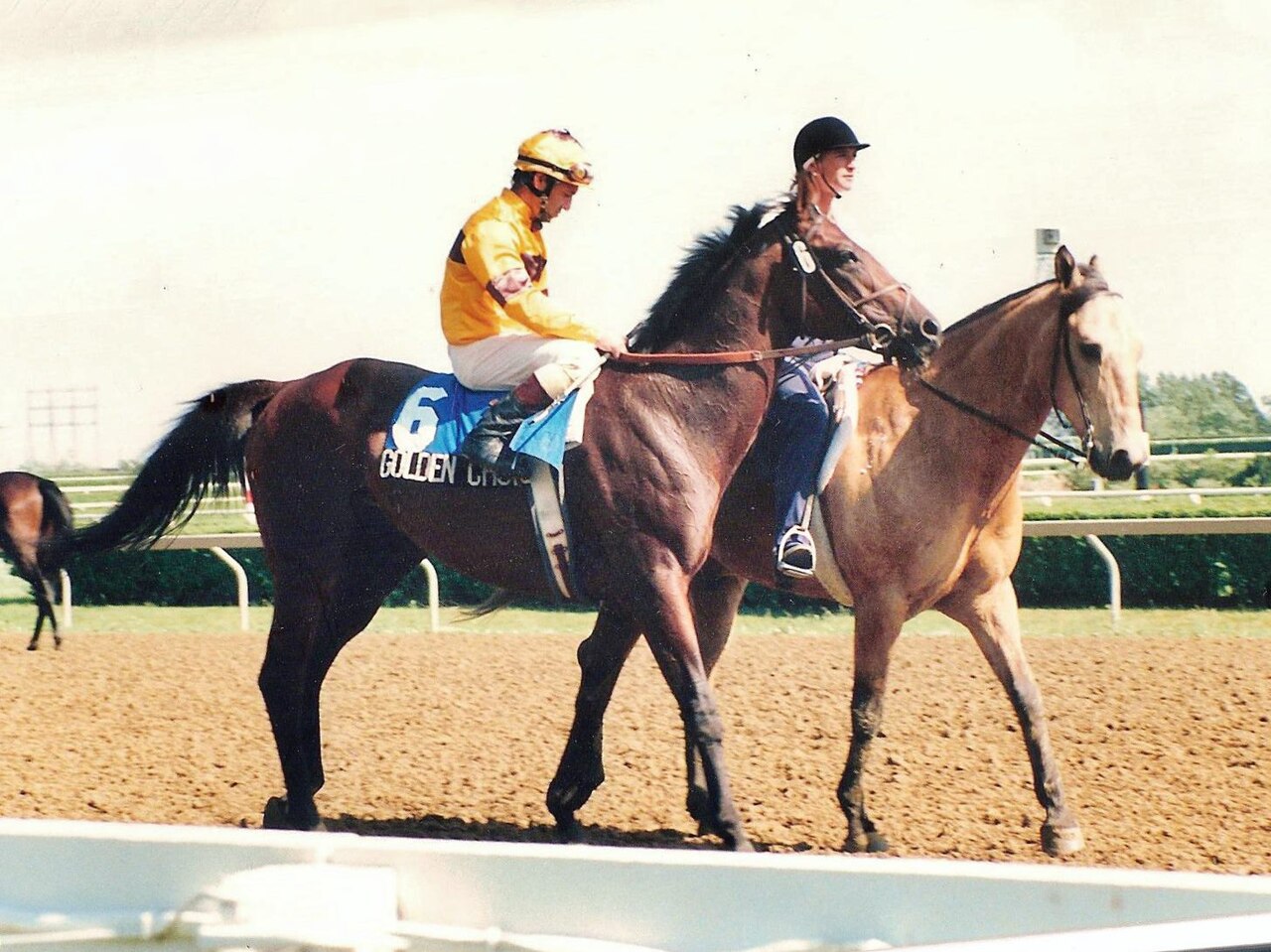
Read Before You Stake
Field size decides how many horses get paid and what slice of the win price they collect. Both numbers drag the break-even with them, so both are worth a look.
| Field | Place terms | Places paid | E/W break-even |
|---|---|---|---|
| 2 to 4 runners | Win only | — | No place market |
| 5 to 7 runners | 1/4 odds | 2 | 5.0 or bigger |
| 8 or more, non-handicap | 1/5 odds | 3 | 6.0 or bigger |
| 8 to 11 handicap | 1/5 odds | 3 | 6.0 or bigger |
| 12 to 15 handicap | 1/4 odds | 3 | 5.0 or bigger |
| 16 or more handicap | 1/4 odds | 4 | 5.0 or bigger |
One line of arithmetic covers that whole table. Take the number under the place fraction and add one, and you have your break-even price. A quarter of the odds wants 5.0. A fifth wants 6.0. Suresh worked that out on the back of a bus ticket in about four seconds and has run it before every each-way bet since. The market prints its own terms, so read them rather than guess: a nine-runner handicap and a fifteen-runner handicap pay in different shapes, and the gap between them is not small.
Bet Types
One straight selection at one end, the pool bets that give Indian cards their own vocabulary at the other.
Pick the horse that crosses the line first and nothing else on the sheet counts. It is also the one bet where the number you accepted is the number you are paid, whatever the money does behind you.
The horse only has to come home inside the frame. How deep that frame runs is set by the field, and the returns are smaller — you simply collect them a good deal more often.
Half the money on the win, half on the place, settled as two separate tickets. Check the break-even column above first, because a placed horse at a short price still walks off with some of your stake.
Call the first two home in order, or go further and call the first three. On an Indian card the three-horse version is a tanala, and on a busy meeting that pool holds real money.
String winners together across a named run of races on the same card. Hardly anybody gets to the end of one, which is precisely how the unclaimed pools keep swelling.
Stand against a runner instead of behind it by taking the other side of its price. For a favourite you genuinely do not fancy, it is the most direct way of saying so.
First Time Out
Ravi had never touched an exchange before that Thursday. This is the sequence he went through, beginning to end.
By four o'clock the mist had come up off the lake and swallowed the far rail of the Ooty course, which is roughly when Ravi turned the sign on his shop door and put the kettle back on. Nothing was running here. The screen had Kolkata's sixth, a mile on turf, and three of us with three different opinions about it. What we learned over the next twenty minutes had very little to do with the horse and almost everything to do with how the bet was built.
Racing is the oldest betting sport in the country and the vocabulary shows its age. Some of it is genuinely useful and a fair amount is decoration. The part that decides whether you go home up or down is dull and arithmetical, and it lives in two places: how the bet is split, and where the price comes from.
Suresh fancied the second favourite. The board had the market leader around 2.80 to back and his horse around 4.20, so he typed ₹1,000 into the each-way box and the app took ₹2,000 out of his balance. That surprised him, and it surprises most people the first time. Each way is not one bet with a safety net bolted onto the side. It is two bets of the same size, sent together, settled apart.
So there were two tickets running in that race. Ticket one wanted the horse to win outright. Ticket two only wanted it inside the places, and would pay at a fraction of the win price — a fifth of it, on those terms. Had it won, both tickets pay and the afternoon is a good one worth retelling. It ran second.
This is the part worth burning into memory. Ticket one is simply gone, the whole ₹1,000 of it. Ticket two gives back your stake plus a fifth of the win odds on that stake, which at a price in that region is a modest number. Put the two together and you are short of what you put in. The table above prices a 4.0 chance at ₹1,600 returned on ₹2,000 staked; at a shade over 4.0 it is a shade better and still a loss. Suresh spent the walk down to Fingerpost insisting the horse had run well. It had. The bet had not.
None of that is a trick played on you. The place fraction is printed on the market before you commit and the slip shows the total outlay in the box. It only feels like a trick because the words "each way" sound like insurance, and insurance is exactly the thing it is not.
There are two entirely different machines that can put a number on a horse for you, and they are worth keeping apart in your head. A racecourse tote is a pool. Every rupee staked on that bet type in that race goes into one pot, the club lifts its deduction off the top, and what remains is cut up between the winning tickets. Nobody can quote you a price beforehand, because your price depends on what everyone else does after you have committed.
That is why a heavily backed favourite can return a dividend that feels mean, while a horse nobody wanted pays far more than the board suggested it might. The deduction is quiet as well. You never watch it leave; you only ever see the figure that comes back.
An exchange runs the opposite way. You are taking a stated price off another person who is willing to lay it, so the number is fixed the second the bet matches and it does not care who piles in behind you. The cost is commission on winnings rather than a slice off a pool, and a club's tote deduction is usually a good deal heavier than that commission. Ravi's question that afternoon — so which one is better? — has an unromantic answer. The better one is whichever tells you what you are being paid before the gates open.
Forecast, tanala, jackpot and treble bets are pools too, and that changes how you ought to think about them. A tanala asks you to name the first three home in the correct order. That is hard. Hard is not the same as well paid, though — if the three market leaders come home the way the market said they would, a great many tickets did precisely what yours did and the dividend thins out between them.
The money sits in results nobody saw coming. Fewer winning tickets, the same pool, a bigger slice each. Jackpot pools that nobody claims roll into the next meeting and grow, which is why the pools on a big card are a different proposition from a quiet midweek one. Suresh puts a small ticket on the tanala when the card looks scrambled and leaves it alone when the favourites look solid, and that is about the right instinct even if he arrived at it by accident.
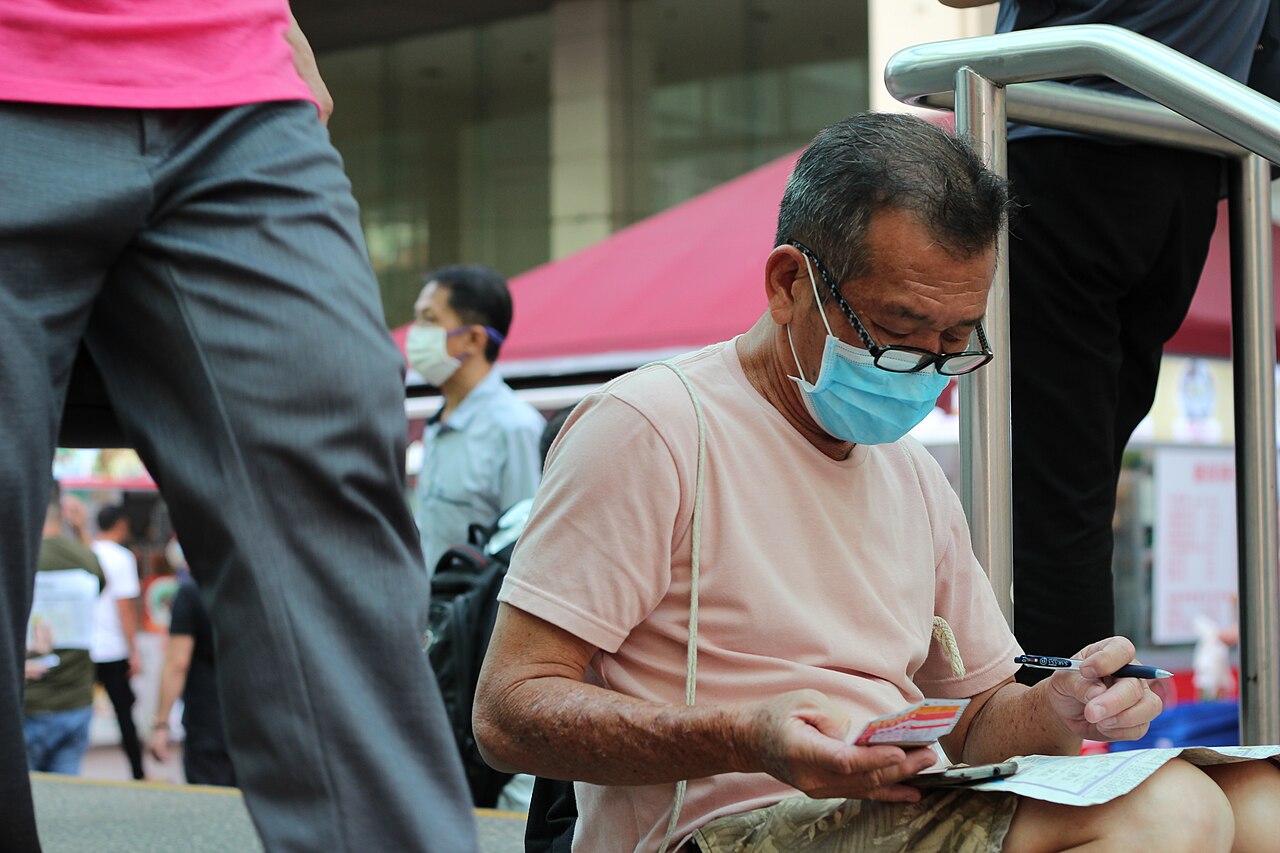
A card is dense on purpose and most of it can wait a year. Begin with the weight. It is the handicapper's stated opinion of the horse in kilograms, published for anybody to argue with, and it is the most honest single figure on the sheet.
Then the draw, meaning the stall the horse jumps from. Over a sprint on a track that turns early it can decide the race before anything else has happened; over a staying trip it fades to very little. Then recent form, which tells you whether the animal is in any sort of condition now rather than last season. Then the going, because Indian tracks move between firm ground and genuinely soft depending on the month, and a horse that skips across one can look like a different animal on the other.
Jockey and trainer figures come after those four. They add colour and now and then they matter, but they rarely overturn what weight, draw, form and going have already said between them. Ravi got through his first card in about ten minutes once he stopped trying to read every column on it.
All of the above assumes a balance to bet from, which Ravi did not have when the kettle went on. Opening one wants a mobile number and an OTP, and the four steps higher up this page are the entire procedure — there is nothing hidden behind them. Start at FairPlay register and come back here; the account and the wallet you set up there are the same ones the racing markets draw on, so there is no second sign-up waiting for you at the cards.
If you already hold an ID and have simply not used it in a while, go to FairPlay login rather than starting a fresh one — a duplicate account is a tidy way to create a verification problem for yourself later. The FairPlay India overview sets out how the platform is put together across the country: the same markets, one wallet, the same sign-in screen and the same UPI rails. There is no special Nilgiris edition of the race board, which is the only reason four of us could crowd around one phone and see the same prices.
Two things are worth doing before the first stake rather than after it. Set a deposit limit you would be comfortable saying out loud, which lives under responsible gaming. And put ₹20 on something you do not care about first — the minimum is low enough that you can learn what the settlement screen looks like on a bet that cannot hurt you.
Racing attracts a particular kind of pest and the hills are no exception. Within a week of anyone in that shop talking openly about the cards, somebody appeared in a group chat with a stable's inside word, a jackpot confirmed four races deep, and a rate card for the privilege of hearing it. The tell never changes: the information is free to promise and expensive to sell.
Two habits keep you clear of most of it. Never hand your stake to a person to put on for you, however well you know his cousin — a bet placed from your own account sits in your own open bets with a price attached to it, while a UPI transfer to somebody's personal number shows you nothing at all. And never sign in from a link that arrives in a message. Counterfeit sign-in pages are the cheapest scam going; open the site or the app yourself and look at the address before you type a password into anything.
The third habit is quieter and it costs nothing. A tipster who is right about one winner will tell you about it for a month. Ask him instead what his last ten selections did, in order, including the ones that ran nowhere. That conversation usually ends by itself.
India's clubs stagger their seasons rather than stack them, which is unusual and works in a bettor's favour. Western meetings hold the cooler months, the southern clubs pick up the summer, the monsoon meeting fills the gap in between, and the effect is that something is nearly always off somewhere. The heaviest days bunch between January and March, when the calendar is at its most crowded.
For the venues themselves — the ground, the local seasons, who runs what — the city pages do a better job than this one. Mumbai, Bangalore and Kolkata each carry their own, and our Thursday sixth belongs to the last of those. Back in Ooty the mist wins every evening around the same hour, Ravi still has the flask, and Suresh still maintains the horse was unlucky. He has also checked the place terms before every bet since, which is the only lesson on this page that cost anybody money.
FAQ
Each-way outlay, place terms, pools and what to read on a card.
₹2,000. It is two bets of ₹1,000 sent at the same moment — one asking the horse to win, one asking it to finish inside the places — and they settle independently of each other. If it wins, both pay. If it only places, the win half is written off and the place half pays at the win price divided by the place fraction. The bet slip shows the full outlay before you confirm, so the number is only ever a shock if you did not read it.
Because the place half is being asked to carry the whole outlay on its own, and at a short price it is not big enough to do that. At 1/5 terms the place part returns your stake plus a fifth of the win odds, and covering two units of stake needs a price of 6.0 at least. That is why the table further up shows a 4.0 chance handing back ₹1,600 against ₹2,000 staked — a ₹400 hole in a result most people would describe as a near miss.
The size and type of the field decides it. Two to four runners is normally win-only. A field of five to seven returns two places, paid at a quarter of the odds. Eight or more usually pays three, at a fifth in most races and a quarter in a handicap of twelve to fifteen. A handicap with sixteen runners or more tends to pay four at a quarter. All of it is printed on the market before you stake, and it shifts the break-even far enough that a glance is worth the two seconds.
Certainty changes. A tote is a pool: every stake goes in together, the club lifts its deduction off the top, and the remainder is divided among the winning tickets, so your price is unknown until the race is settled. On an exchange you take a stated price from somebody prepared to lay it, and that number is locked the instant the bet matches. What you pay is commission on winnings rather than a slice off the pool, and the pool deduction is generally the heavier of the two.
A tanala is the Indian name for the first three home in the right order, and a forecast is the two-horse version. Both are pool bets, which means the dividend hangs on how many other tickets got it right rather than on how hard it looked. A tanala that lands exactly the way the market predicted can pay far less than the effort felt like it deserved. They read better on a card that looks awkward than on one where the market leaders look solid.
Sometimes, and it depends almost entirely on the trip. Over a short distance on a track that turns soon after the start, the stall a horse jumps from can settle matters before the field has even straightened up. Over a longer trip there is room for the draw to stop mattering and for the horse to do the deciding instead. Weight and recent form are the steadier columns across a whole card, but on a 1200m sprint the draw is worth a proper look.
Weight, then the draw, then recent form, then the going — in that order for the first few months. Weight is the handicapper's opinion of the horse in kilograms and it is the plainest figure on the sheet. The draw earns its keep over sprints. Form tells you whether the animal is well right now rather than last season. The going tells you whether today's ground suits it, which in India swings a long way between seasons. Jockey and trainer records fill in the picture but seldom overturn the verdict.
Something is running for most of the year, because the major clubs stagger their meetings on purpose rather than competing for the same weekends. Western meetings hold the cooler months, southern clubs pick up the summer, and the monsoon meeting sits in the gap between them. In practice a card is nearly always available somewhere, with the heaviest days bunched between January and March.
Explore FairPlay