


 Cricket
 Football
 Kabaddi
 Tennis
 Basketball
 Horse Racing
Decimal odds
Read the number as return per rupee. Back at 2.50 with ₹1,000 and ₹2,500 comes back — the ₹1,000 you put up, plus ₹1,500 on top of it.
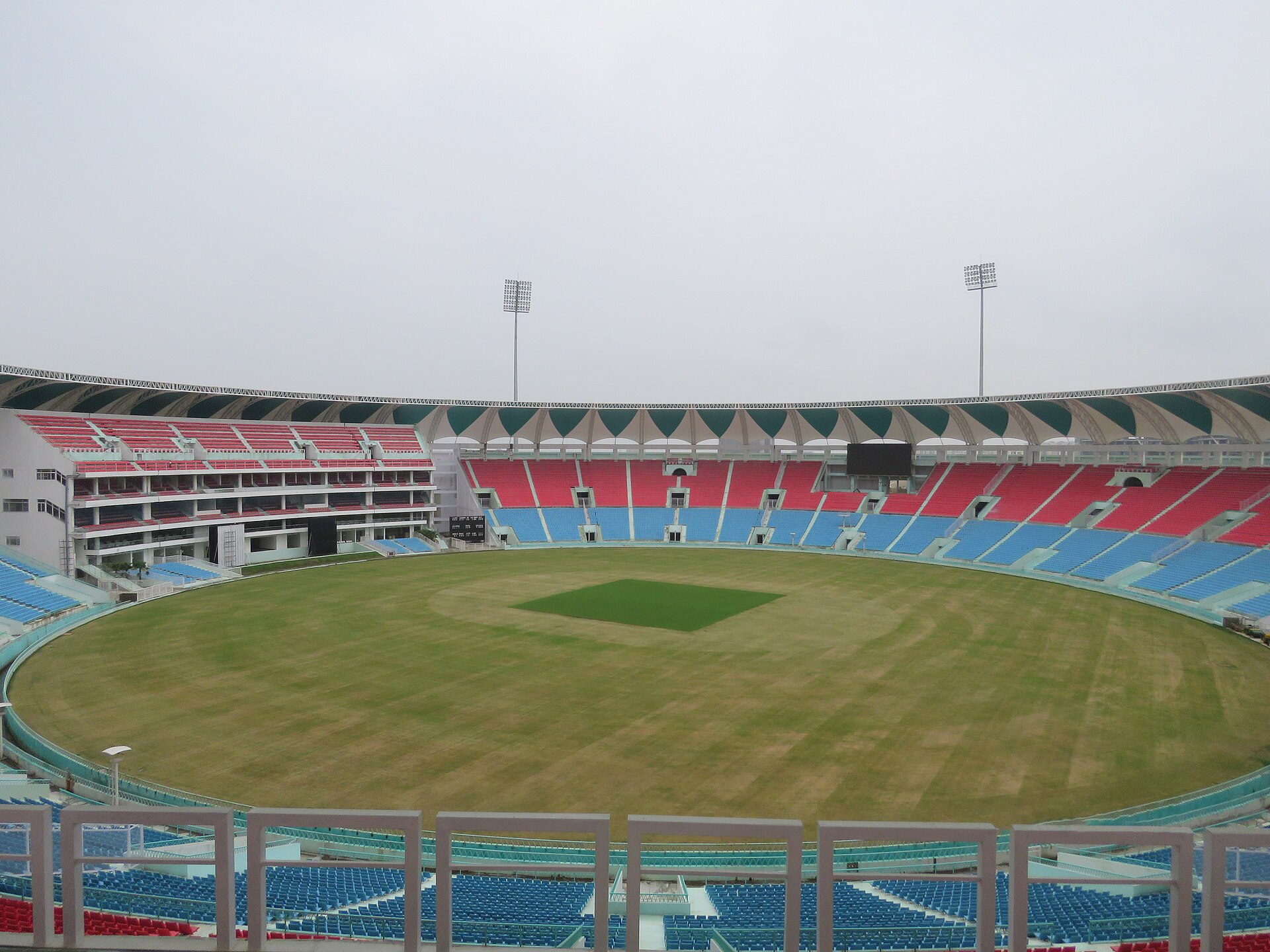
30+ Sports
Exchange prices on cricket, football, kabaddi and everything else running tonight. Take either side of a market, get out of a position mid-match, and keep the whole lot in one UPI wallet. Never read a price before? Start at the odds table further down and the rest of this page will make sense.
Prices shown are illustrative
Mumbai v ChennaiLive
Min 100 · Max 2,00,000
Min 100 · Max 2,00,000
Min 100 · Max 1,00,000
Min 100 · Max 50,000
Jaipur Pink Panthers v Bengaluru BullsLive
Min 100 · Max 25,000
Sports
Seasons, grounds, market types and the strategy that suits them — written out sport by sport instead of one description stretched over all of them.
Reading a Price
Decimal is the only format used here. Learn to read one price and every market across every sport opens up at the same time.
| Odds | Implied chance | ₹1,000 returns | Of which profit |
|---|---|---|---|
| 1.20 | 83.3% | ₹1,200 | ₹200 |
| 1.50 | 66.7% | ₹1,500 | ₹500 |
| 1.80 | 55.6% | ₹1,800 | ₹800 |
| 2.00 | 50.0% | ₹2,000 | ₹1,000 |
| 2.50 | 40.0% | ₹2,500 | ₹1,500 |
| 3.00 | 33.3% | ₹3,000 | ₹2,000 |
| 5.00 | 20.0% | ₹5,000 | ₹4,000 |
| 10.00 | 10.0% | ₹10,000 | ₹9,000 |
Everything else on this page rests on column two. A quote of 4.00 says one chance in four. Carry your own figure of 35% into that market and the bet has a reason to exist. Carry a figure of 15% and it does not, no matter how badly the household wants that team to win.
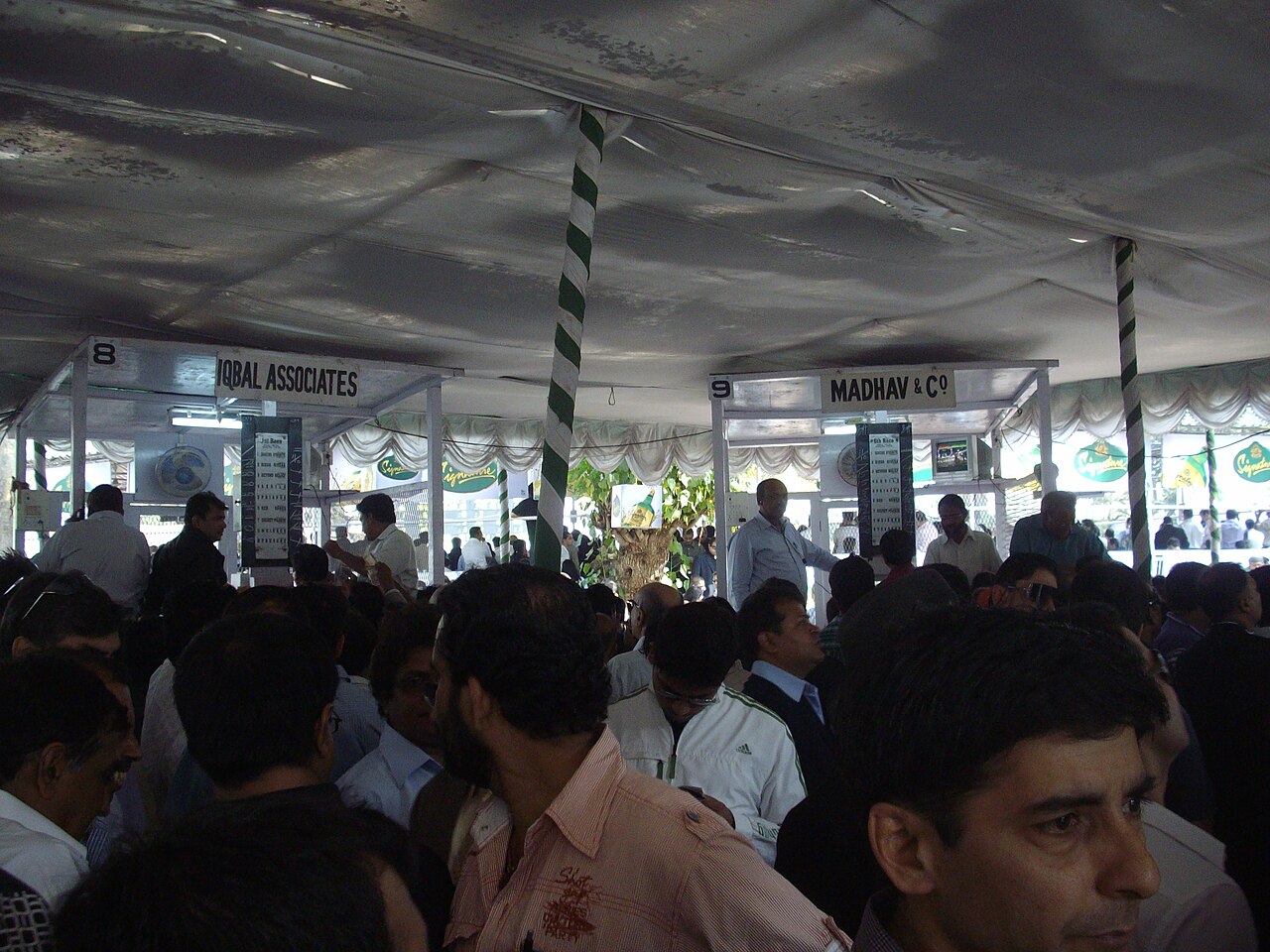
The Indian Betting Year
Sport in India runs to a fairly reliable rhythm. Learn it and you know when the money is deepest and when the odd mispriced market is likely to sit unnoticed.
| When | What is running | Worth knowing |
|---|---|---|
| January – February | Australian Open, India home Tests and ODIs, ISL in full swing | Mahalaxmi and Kolkata race meetings both under way |
| March – May | Indian Premier League | The busiest weeks of the year, two matches on most weekends, the deepest prices going |
| June – July | Overseas Test tours, Wimbledon, TNPL and state T20 leagues | Cricket's thinnest stretch; the state leagues carry the evenings on their own |
| July – October | Pune monsoon racing, Asia Cup or World Cup in most years | Racing shifts inland onto soft ground |
| September – March | Indian Super League | A 7:30 PM IST kick-off, which lands neatly after dinner |
| October – December | Pro Kabaddi League | Thin markets and heavy local knowledge — softer prices than anything else on the site |
| October – February | Ranji Trophy and domestic first-class cricket | Cricket through the daylight while the evenings go to football and kabaddi |
| August – May | Premier League, La Liga, Champions League | Kick-offs strung from 6:30 PM right through to 1:30 AM IST |
The Basics
Nothing beyond this list is needed to bet sensibly. The people who lose money have usually skipped the sixth card rather than the first.
Read the number as return per rupee. Back at 2.50 with ₹1,000 and ₹2,500 comes back — the ₹1,000 you put up, plus ₹1,500 on top of it.
Backing says a thing happens. Laying says it does not. Blue cells back, pink cells lay, and being allowed to sit on either side is the part no bookmaker's counter will ever sell you.
One hundred divided by the price. A quote of 4.00 is the market saying 25%. Your bet only makes sense if your own figure sits above that one.
One outcome, one bet, and that is a single. An accumulator stacks them together: four legs at 1.50 pay 5.06, and a single wrong leg ends the whole ticket.
Back early, lay the same outcome later at a shorter price, and the profit is yours before the last ball is bowled. Impossible against a bookmaker. Routine on an exchange.
Set one bet size at one or two percent of your balance and refuse to move it. ₹20,000 in the account means ₹200 to ₹400 a bet, on the good nights and the bad ones alike.
The roof belongs to a house behind Sirmour Chowk, and in the third week of April the tiles hold their heat until well past six. Somebody carries up a jug of water and a stack of steel glasses. A phone gets propped against the jug at an angle five people can see, the fan downstairs is achieving nothing, and Mumbai against Chennai starts at half past seven. On the board that evening Mumbai are 1.72 and Chennai are 2.14.
Nobody up there has read a preview. Everybody has an opinion. That is the ordinary condition of an IPL evening in this part of the Vindhya, and it is also the reason this page exists — because the opinions on that roof were more or less the same, and what people did with them was not.
The blue cell is the back price. Tap it and a slip opens along the bottom of the screen carrying the outcome you chose and an empty stake box. Put ₹500 in and the slip does the arithmetic before you have committed to anything: ₹500 at 1.72 returns ₹860, of which ₹360 is profit. Most markets take bets from ₹100, so getting a position on the roof costs less than the round of tea that follows it.
Confirm, and the bet leaves the slip and appears in your open bets. From that second it is a position rather than an argument. Somebody is on the other end of it — that is the whole idea of an exchange — and the platform is not that somebody. It takes commission out of net winnings instead of shading the quote against you before you ever see it.
Chennai bat first. Mumbai lose a wicket inside the second over of the reply and the number on the propped-up phone drifts the wrong way. Twenty balls later two boundaries and a dropped catch have turned it, and the same team is trading a good deal shorter than 1.72. This is where a rooftop divides into two kinds of bettor. Four people carry on watching. One opens the market again.
Say the lay price on Mumbai has come in to 1.30 by then. Laying at that number is betting they do not win — and since you already backed them at 1.72, holding both sides leaves you with a profit that stands whichever way the last five overs fall. It is smaller than the full win would have been. It is also certain, and certainty at half nine on a weeknight has a value of its own.
That is trading out. It is the one thing an exchange does that no bookmaker's counter can copy, because a bookmaker sells you one side and keeps the other for himself. Here both sides stay on sale to you throughout — before the toss, and in the middle of the eighteenth over.
Add up what a market implies and honest arithmetic should give you 100%. A bookmaker quoting 1.90 and 1.90 across a two-way market is implying 52.6% on each side, which is 105.3% between them. The extra 5.3% is no mystery. It is his margin, already sitting inside the price before a single ball has been bowled.
The same market on an exchange might read 1.98 and 2.02. Those add to almost exactly 100%, because nobody has padded the quote — the user on the other side has taken the opposite view, and commission comes off net winnings afterwards. A margin taxes every price you ever look at. A commission only touches the bets that win.
Put ₹10,000 on a cricket market at 1.90 with a bookmaker and a winner returns ₹19,000. Put the same ₹10,000 on the same match at 1.98 and it returns ₹19,800. The extra ₹800 needed no additional knowledge of the pitch, the dew or the batting order. It came entirely from where the bet was placed.
Do that twenty times over one IPL and the gap is ₹16,000, none of which came from predicting anything better than you already did. Price is the part of betting fully inside your control, which sounds like a strange claim to make about betting and happens to be true.
Half of any rooftop usually has not. The account begins with a mobile number and the one-time password that arrives on it — FairPlay register takes those screens one at a time, and afterwards the FairPlay login is the same number and password on whatever device is nearest. Money goes in over UPI, and that single wallet covers the sport and the tables together rather than splitting into two balances you have to move things between.
Betting from ₹100 means a first week costs very little to learn on, which matters more than most guides admit. FairPlay India lays out the account, deposit and withdrawal picture end to end if you would rather read it before you start than during. There is no separate Rewa build of the site and no Madhya Pradesh one: the markets, the wallet, the login screen and the UPI rails are the same set everyone is looking at. Withdrawals from a verified account land in the bank inside ten minutes, 24x7.
Every April a link goes round the local cricket groups promising a fixed result, a guaranteed number and a countdown on the offer, usually stapled to screenshots of somebody's winnings. Some of those accounts want a subscription fee. The worse ones want something else entirely, and they are patient about getting it.
Three habits cover nearly all of it. Money goes in through the deposit screen inside your own account and nowhere else — never to a personal UPI ID, never to an agent offering to top you up at a discount, because a transfer like that has walked off the site and there is nothing left to appeal to. The OTP that arrives on your phone belongs to you alone; support will not ask for it and neither will anybody honest. And reach the login screen the way you always reach it rather than through a forwarded link, since a page that looks right and is not is the cheapest thing anyone can build.
Treat the tips themselves with the same flat suspicion. A person who could reliably call an IPL result would not be selling it by subscription; he would simply be backing it. A market at 1.72 is the crowd's honest arithmetic laid out in public, and the only edge going to anybody is disagreeing with that arithmetic for a reason you can say out loud to another adult.
Hardly anybody stops betting because they ran out of opinions. They stop because a bad fortnight met a rising stake. Six or seven losers in a row is unremarkable even for somebody picking at a rate that makes money over a year, and the account only dies if the bets grew while the run was happening.
Fix the unit at one or two percent of the balance. On ₹20,000 that is ₹200 to ₹400 a bet, on the certainties and the coin flips alike. It will feel ridiculous on the night you are sure, and that feeling is the entire mechanism — a staking rule is only worth having on precisely the evenings you want to break it.
One related habit is worth building on a rooftop specifically. When four voices are shouting the same team name, the price has almost certainly absorbed all of that already. Agreement in the room is not information. It is usually just volume.
IPL markets are the deepest on the site and the hardest to beat, because every phone in the country is pointed at them. A fine place to bet. A poor place to go hunting for an edge.
Pro Kabaddi from October to December is the reverse of that. It is followed seriously here and barely at all outside India, the markets stay thin, and anyone who has genuinely watched a season of raiders knows things the price has not caught up with. The state T20 leagues through June and July run while the cricket market has half looked away. Ranji Trophy fills the daylight from October while the evenings belong to football and kabaddi, and a Madhya Pradesh side going deep in a season deserves more attention from a Vindhya household than it usually gets. Indian racing at Mumbai and Bangalore still rewards form study that almost nobody sits down and does.
Every bet you place is stored in your account history with its price, its stake and its result. An hour spent with that list once a month tells you what a whole season of watching cricket never will: which sports you genuinely make money in, whether your in-play bets beat the ones you place before the toss, and whether your stakes quietly swell on the nights you are behind.
That last one is the one that counts and the one nobody wants to look at. If the review turns up something uncomfortable, deposit and loss limits live in your account settings, responsible gaming sets out what each of them does, and support will put one in place in about a minute. The roof behind Sirmour Chowk empties around eleven either way. What differs is what the account looks like come June.
FAQ
Prices, margins and money, answered for somebody who has never placed a bet.
Open an account with your mobile number, confirm the OTP that arrives, and add money over UPI. Then pick a sport from the board and find the match you want. Blue cells back an outcome, pink cells lay it. Tap one, type your stake into the slip that opens along the bottom, and the slip shows what the bet returns before you confirm it. The floor is ₹100 on most markets. Once confirmed, the bet sits in your open bets and settles by itself when the market ends.
Two things at once. It is your total return per rupee staked, stake included — at 2.50, a ₹1,000 bet comes back as ₹2,500, which is ₹1,500 of profit plus the original ₹1,000. It is also a probability in disguise: divide 100 by the price and you have the chance the market is giving that outcome. Anything under 2.00 is a favourite, anything above 2.00 is an underdog, and 2.00 itself is the market calling it a coin flip.
A bookmaker quotes a price and personally takes the other end of your bet, so the quote has to be shaded in his favour or he does not eat. An exchange puts you opposite another user who wants the position you do not want, and earns commission on net winnings instead. Watch what that does to a two-way market. A bookmaker's 1.90 and 1.90 adds up to a 5.26% margin. The same market on an exchange might read 1.98 and 2.02, which is essentially no margin at all.
Run it through in rupees rather than percentages. Take a two-way cricket market where a bookmaker offers 1.90 and the exchange offers 1.98. Stake ₹10,000 on a winner and you collect ₹19,000 in the first case and ₹19,800 in the second. That is ₹800 extra for holding an identical opinion about an identical match. Repeat it across a season of regular betting and the difference outweighs almost every tip you will ever be sold.
Laying is betting against an outcome. Lay a cricket team and you collect whenever that team does not win, which in a two-sided match amounts to backing the other lot. Its real value shows up in trading. Back a side at 2.20 before the chase begins, watch them get on top, lay them back at 1.60, and you now hold a profit that stands no matter how the last overs go. Smaller than the full win would have been, and certain instead of hoped for.
Choose a unit of one to two percent of your balance and stay on it. With ₹20,000 in the account that is ₹200 to ₹400 a bet, on the ones you are sure about and the ones you are guessing at. Six or seven losers in a row happens to people who pick winners at a perfectly good rate, and a fixed unit is the only thing that carries an account through a run like that. Increasing the stake to win back a loss is how most accounts end.
Cricket, by a distance nothing else comes close to, with the IPL and India internationals doing most of the lifting. Football sits second, split between overnight European kick-offs and the ISL at Indian dinner time. Kabaddi takes third place during the Pro Kabaddi season, and it is the one where watching closely pays best, because the markets are thin enough for local knowledge to move you. Tennis, basketball and the Indian racing circuit fill the evenings left over.
Markets are settled against the official result, usually within minutes of the event finishing, and the money lands in your wallet without you doing anything. Withdrawing from a verified account normally puts it in your bank inside ten minutes, 24x7 — IPL nights and weekend football included, which is exactly when the queue is longest and exactly when people worry about it most.
Explore FairPlay