
Bonuses & Promotions
FairPlay Refill Bonus — what a later top-up actually carries
It is thinner than the offer on your first deposit, and it is not waiting there every evening. It runs on chosen days and puts itself on the deposit screen when it does. Here is how to tell whether tonight is one of them, and what the small print underneath is asking of you.
At a Glance
The short version, before the detail
- Lands on
- Every top-up bar the first
- Visible
- Only on the days it runs
- Match size
- Under the joining rate
- Per payment
- One offer, no stacking
Side by Side
One mechanism, two very different moments
Both are deposit matches. What separates them is when they arrive and how often they come back.
| Joining Bonus | Refill Bonus | |
|---|---|---|
| Which deposit it attaches to | The very first payment the account ever makes | The second, the fifth, the fortieth — whichever falls on a day it is live |
| Size of the match | The largest percentage the account will ever be shown | A thinner slice, sized to be repeated rather than remembered |
| Times you can have it | Once in the life of the account, then never again | Over and over, whenever a qualifying payment meets a live offer |
| Where you agree to it | The deposit screen, before the payment is confirmed | The same strip on the same screen, read fresh every time |
| Wagering attached | Yes, with the full arithmetic living on the bonuses page | Yes, in the same shape, though the multiple can be its own |
| What decides eligibility | Simply never having deposited before | Whether an offer happens to be running on the evening you pay in |
A December evening at a chai stall behind Golghar
Anwar keeps a mobile repair counter a short walk off Golghar, and through December he pulls the shutter down by eight, because the fog comes in off Ramgarh Tal and nobody in Gorakhpur is buying phone covers in that. We drink our tea two doors along, kulhads too hot to hold properly, his phone propped against the sugar tin with a T20 running on it. That particular evening he was in a mood. He had pushed ₹1,000 into his FairPlay wallet before the toss, watched it arrive in the handful of seconds a UPI payment usually takes, and then gone hunting for the bonus he was certain would be sitting on top of it. There was nothing. His first deposit, made back in the monsoon when the Rapti was high, had carried a match he still brings up in conversation. This one carried nothing at all, and he had concluded that somebody had quietly stopped honouring the promotions.
Nobody had. He had walked into the seam between two different offers, which is a seam plenty of people walk into. A joining bonus belongs to the first payment an account ever makes and does not come back. Everything after that sits under the refill bonus — recharge offer, reload offer, the word changes depending on who is talking — which is smaller, appears on selected days rather than nightly, and announces itself on the deposit screen when it is live. Anwar had paid in on an evening it was not running, from an account that had spent its one joining bonus in July. Both things were true at the same time, and neither of them was a fault.
What actually happens when you top up for the second time
The sequence is short, and every decision inside it happens before the money moves. Open Deposit from inside the account. You have to be signed in, and the payment instrument has to be in your own name, which stops being an abstraction the day you try to take money out. Choose a route. UPI, PhonePe, Google Pay and Paytm all start at ₹100, while the bank routes — IMPS and net banking — want ₹500 before they will do anything. Type the amount. Then stop and read the promotions strip on that screen, because that strip is the entire subject of this page.
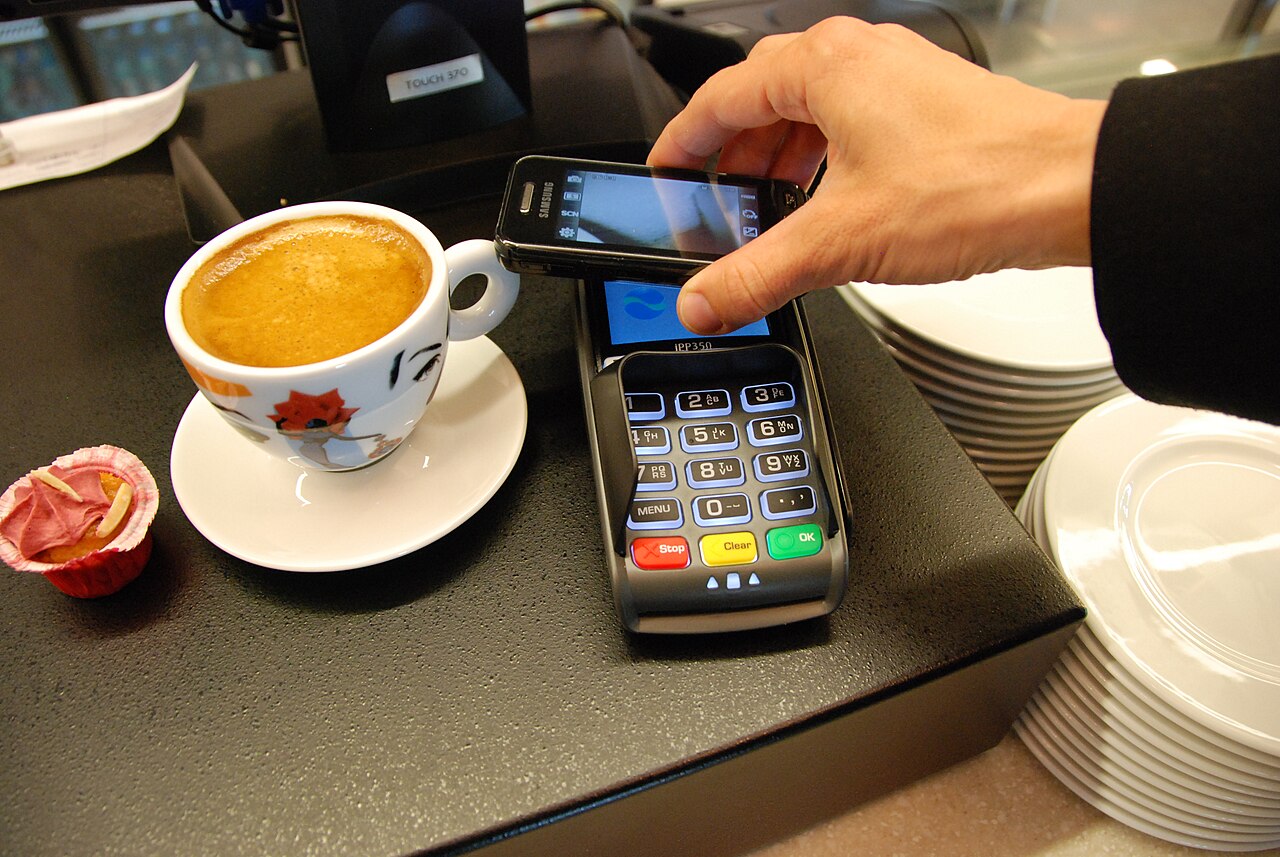
If an offer is running, it is sitting right there with its match rate and its terms, and there is a box or a toggle that takes it. Tick it before you confirm the payment. Once the payment settles, that decision has closed behind you — a bonus is not something support can staple onto a deposit after the fact, and the request tends to go nowhere. If the strip is empty, that is your answer for the evening. The deposit is an ordinary deposit, it still lands in seconds, and the money is still yours to bet with.
After that you are on your own side of the fence. Your UPI app asks for your PIN and you approve it there. FairPlay never sees that PIN, and no person on earth has a legitimate reason to ask you for it. Save the reference number your bank app throws up afterwards. Anwar keeps a folder of those screenshots on his phone. He has needed exactly one of them in two years, and on that occasion it turned what could have been a week of messages into a ten-minute chat.
Why it isn't waiting there every evening
Match every recharge, forever, and the thing stops being a promotion. It becomes the standing price of using the product — closer in effect to shaving the house edge across the board than to running an offer. Confining it to particular days keeps it in the category it belongs to: an occasional nudge rather than a permanent giveaway. That is also why the days themselves are set against the account rather than printed here as a weekly timetable. Between the crowds that come for the Khichdi Mela in January and a flat Tuesday in the middle of August, the same account can open the same screen and find two entirely different answers.
Anwar's habit now is thirty seconds long. He opens Deposit before he decides how much to put in, not after. If a refill match is live he sizes the payment around it. If it isn't, he pays in what he was going to pay in anyway and thinks no more about it. The order of those two steps is the only thing that changed between the December evening he was annoyed and the way he does it now.
The line underneath the offer, and what it is asking
A match is only worth what it costs to release. Say an offer hands you ₹5,000 in bonus funds with a 10x multiple attached. That is ₹50,000 of qualifying turnover to be staked before the bonus turns into ordinary money you can withdraw. Turnover is not loss — the same rupees go round again and again as bets land and get re-staked — so the figure is less frightening than it looks on first reading. It is still a figure you should have seen before you agreed to it rather than after.
There is a rough rule worth carrying about in your head. The break-even multiple is one divided by the house edge of whatever you actually intend to play. Sports at roughly a 2% margin breaks even somewhere near 50x. Slots at about 4% break even around 25x. European roulette at 2.70% sits near 37x. Past those points, the clearing costs more than the bonus was ever worth, and a large headline percentage tied to a heavy multiple is often a worse deal than a modest one tied to a light multiple.
Contribution is the other half of the same sum. Sports bets generally count in full only if the price clears a stated minimum, commonly around 1.50, so stacking up 1.10 favourites releases nothing whatsoever. Roulette frequently counts at a fraction of the stake. Blackjack and baccarat count for very little or nothing, and the reason is not spite — their edge is thin enough that a requirement could be cleared at close to no real cost, which would make the whole mechanism pointless. The contribution table published alongside the offer is the authority. Last month's table is not.
Where the turnover actually gets done
Nowhere special, which is the point. Bonus funds from a refill match release through the same betting you were doing anyway: cricket through the long season, the casino tables when there is no match on, whatever you had open before the offer existed. No market clears a refill bonus faster than it clears a joining bonus. The contribution rates decide the pace, and they do not care which of the two kinds of deposit match the funds came from.
In practice that means the sport in front of you does the work. Through the Ranji season Uttar Pradesh's red-ball cricket is on in the background of half the shops on the stretch. Come the summer, the loo blows through Gorakhpur in the afternoon and nobody moves until the evening games start. The requirement clears against those nights, gradually, in stakes you would have placed regardless — which is the only way clearing one is ever comfortable.
If you have not opened an account yet, this is the wrong page first
None of the above applies to you this week. Your first payment carries the one-time joining match, not this one, so the page worth reading is the first-deposit offer and the terms attached to it. Opening the account itself costs ₹0. You FairPlay register with a mobile number, verify it, and after that the FairPlay login screen is the only door you use. The refill mechanism becomes relevant to you the day you make a second payment, and not a day earlier.
One thing worth saying to anyone in eastern Uttar Pradesh who assumes the offers are regional. The build Anwar has on his phone in Gorakhpur is the same build as the one running on FairPlay India anywhere else — same markets, same wallet, same login screen, same UPI rails behind the deposit. There is no separate city edition of the deposit screen and no promotions strip written specially for this district. If somebody tells you a special local offer exists that the app does not show, the app is the one telling the truth.

The message offering a bigger refill than the screen does
Anwar was forwarded one in February. A message on a group, promising an enormous recharge match, a link that was not the site, and a person at the other end willing to arrange it personally if he sent the money across to him first. He did not, because he had already learned to check the deposit screen before believing anything about a promotion. The screen showed no such offer. That settled it.
The test is simple enough to explain at a tea stall. A real promotion lives inside the account, on the deposit screen, where you can read its rate and its terms before you agree to it. It does not arrive as a forwarded image with a percentage that nobody else has ever been shown. It never needs your OTP, your UPI PIN or your password, because none of those are things a promotion has any use for. And it never involves paying a person rather than paying into your own wallet — the moment money is going to an individual instead of through the deposit flow, what is being offered is not a bonus at all. If something reaches you and looks plausible, the support channel reached from inside your own account will tell you in a minute whether it is real, and the contact page lists which channels count as official.
Recharge, reload, top-up: one action, three words
These are all the same act — adding funds to an account that has already funded itself once. The vocabulary shifts between conversations and search boxes, but it points at one screen and one promotion, distinguished from the joining bonus only by the fact that the payment underneath it is not the account's first. If you are comparing platforms, the same split runs through the category everywhere: one large offer aimed at people who have not signed up, and a smaller recurring one aimed at people who already have. Learning to spot which of the two a headline number refers to saves a lot of disappointment.
What a refill bonus does not touch
It sits on one deposit and stays there. It does not alter how a withdrawal is processed once the wagering has been cleared, does not change your verification status, and does nothing whatsoever to your FairPlay ID whether you take it or leave it. People occasionally worry that opting into promotions marks the account somehow. It does not. The bonus is an addition to one payment's balance and nothing more, which is also why refusing one costs you nothing beyond that payment.
The mirror-image worry is worth naming too, since it is the more expensive of the two. Assuming no offer is running because none was running last time, and skipping the promotions strip for months on that basis, is how people miss the ones that were genuinely there. The strip changes day to day. Reading it is free.
The habit that ends up mattering
We were back at the same stall in February, warmer, fog gone, somebody's radio arguing about a Pro Kabaddi result. Anwar topped up during the innings break, and this time he read the screen first out of pure reflex, the way you check the price on a bill before paying it. There was an offer that evening. He took it, looked at the multiple, decided it suited what he was betting on anyway, and put the phone back against the sugar tin. The whole thing took less time than the tea took to cool. That is the entire skill involved: not knowing which evenings the offer runs, but looking before you pay rather than after.
FAQ
Questions people actually ask about it
Mostly variations on one thing: why the second deposit behaved differently from the first.
Is the refill bonus a renamed joining bonus, or a separate offer?
Separate, and the difference is a matter of timing rather than plumbing. A joining bonus is spent once, on the first payment an account ever makes, and then it is gone for good. The refill bonus is what occupies that slot afterwards: a smaller match, offered on chosen days, opted into on the same deposit screen. Somebody who has already funded an account once will only ever meet the second of the two.
Why is the match rate thinner than the one on my first payment?
A first-deposit match is a one-off cost of bringing a new account in. A refill match is a cost the platform carries repeatedly, on somebody who is already playing. If the same headline percentage were paid on every top-up indefinitely it would stop being a promotion and start being the pricing of the whole product. Keeping the recurring rate modest is what allows it to be offered again next month at all.
How do I find out which evenings it is running?
By opening the deposit screen and looking. When an offer is live it sits on that screen with its rate and its terms; when nothing is showing, nothing is running for you that day. There is no separate calendar published outside the account, and no reliable way to work it out from what happened last week, because the schedule is set against the account rather than printed as a fixed weekly pattern.
Do the app and the mobile site show different refill offers?
No. Both are windows onto one account, so the wallet, the promotions strip and the payment routes behave identically on each. The installed app mostly helps with speed on a patchy connection and with staying signed in. Nothing about which offers reach you is decided by the surface you happen to be holding.
I paid in and forgot to tick the offer. Can support add it now?
Almost certainly not, and it is kinder to say so plainly. The opt-in is part of the payment instruction, not an adjustment made to it afterwards, so once the deposit has settled the offer that was on screen has passed. The practical fix is smaller than the disappointment: treat the promotions strip as a step in the deposit rather than decoration around it, the same way you would read an amount before confirming it.
Does taking a refill bonus cancel my cashback for that week?
They are measured on different things, so one does not switch the other off. A refill match is attached to a single payment at the moment it is made. Cashback looks at net play across a whole week and does not care when the money entered. Both can be live for the same person in the same seven days. What they are not is a single pooled figure, and adding them together in your head before checking either set of terms is how people end up expecting more than arrives.
If I ignore an offer once, do I stop being shown them?
No. Skipping one changes nothing about the next. Each payment is judged on its own against whatever promotion is running that day, and there is no ledger of refused offers counting against you. Plenty of regular players take one in three, simply because they only bother on evenings when the terms suit what they were going to bet on anyway.
Is the wagering multiple always identical to the joining bonus one?
The shape is identical — bonus funds sit apart from your own money until a turnover figure has been staked, worked out exactly as the bonuses page describes. The number itself is set per offer and can differ from the one your first deposit carried. That is the single strongest argument for reading the terms attached to today's offer instead of assuming they were copied from July's.
Can a refill bonus and an accumulator boost both land in one week?
Yes, because they are triggered by unrelated events. One is a response to money entering the wallet. The other is a response to a multi-leg sports bet coming in. Neither consumes the other, and having taken one has no effect on eligibility for the second, since nothing about the first action is what the second one measures.
Is there a minimum payment that qualifies for it?
The ordinary deposit minimums always apply: ₹100 through the UPI routes, ₹500 through IMPS and net banking. Whether a particular offer also asks for more than that before it will match anything is stated in that offer's own terms on the deposit screen. Read the figure there rather than carrying a remembered one, because it belongs to the offer rather than to the payment method.
Explore FairPlay